How to Secure a Vacant Multifamily Property During Renovation or Lease-Up

A vacant or partially occupied multifamily property is exposed in ways a stabilized community is not. Renovation crews come and go. Units may sit empty. Leasing traffic increases before full staffing is in place. Copper, appliances, tools, HVAC components, flooring, fixtures, and building materials may be staged on-site. After hours, the property can become an easy target for trespassing, vandalism, dumping, squatting, and theft.
That is why vacant multifamily property security cameras need to do more than record footage. During renovation, tenant turnover, construction closeout, or lease-up, property teams need active monitoring, fast deployment, flexible placement, and a clear response process when suspicious activity happens.
Jobsite Sentry provides mobile, solar-powered surveillance units and camera systems built for temporary and changing site conditions. Our systems combine AI detection, live trained operators, two-way audio, Starlink connectivity when needed, and mobile app access so owners and property managers can protect vacant multifamily assets without waiting for permanent infrastructure.
Why Vacant Multifamily Properties Are High-Risk During Renovation and Lease-Up
Vacancy changes the security profile of an apartment property. Normal resident activity disappears, but site activity often increases. Contractors, vendors, leasing staff, inspectors, cleaners, delivery drivers, and prospective residents may all need access at different times.
That creates a difficult balance. The property has to remain accessible for approved work and leasing activity, but it cannot be left open to unauthorized visitors after hours.
Common risk points include open gates, unsecured stairwells, vacant units, exposed mechanical rooms, parking areas, dumpsters, storage containers, model units, and newly installed finishes. A single after-hours intrusion can result in stolen materials, damaged units, broken windows, graffiti, water intrusion, fire risk, or liability concerns.
For owners and managers, the issue is not only the replacement cost. Incidents can delay renovation schedules, affect lease-up momentum, create insurance documentation headaches, and pull staff away from operations.
Renovation creates valuable targets
Apartment renovation projects often bring high-value materials onto the property before residents are present. Appliances, copper wiring, tools, plumbing fixtures, cabinets, lighting, HVAC components, lumber, and fuel can be targeted if they are visible or accessible. Even when buildings are locked, exterior staging areas and service zones may remain vulnerable.
Lease-up creates traffic before routines are established
During lease-up, a property may have leasing traffic during the day and minimal activity overnight. Prospects, vendors, and staff may use different access points, while some units remain vacant. This transition period can make it harder to distinguish authorized activity from suspicious activity unless cameras are actively monitored and response rules are clearly defined.
Start With a Site Security Assessment
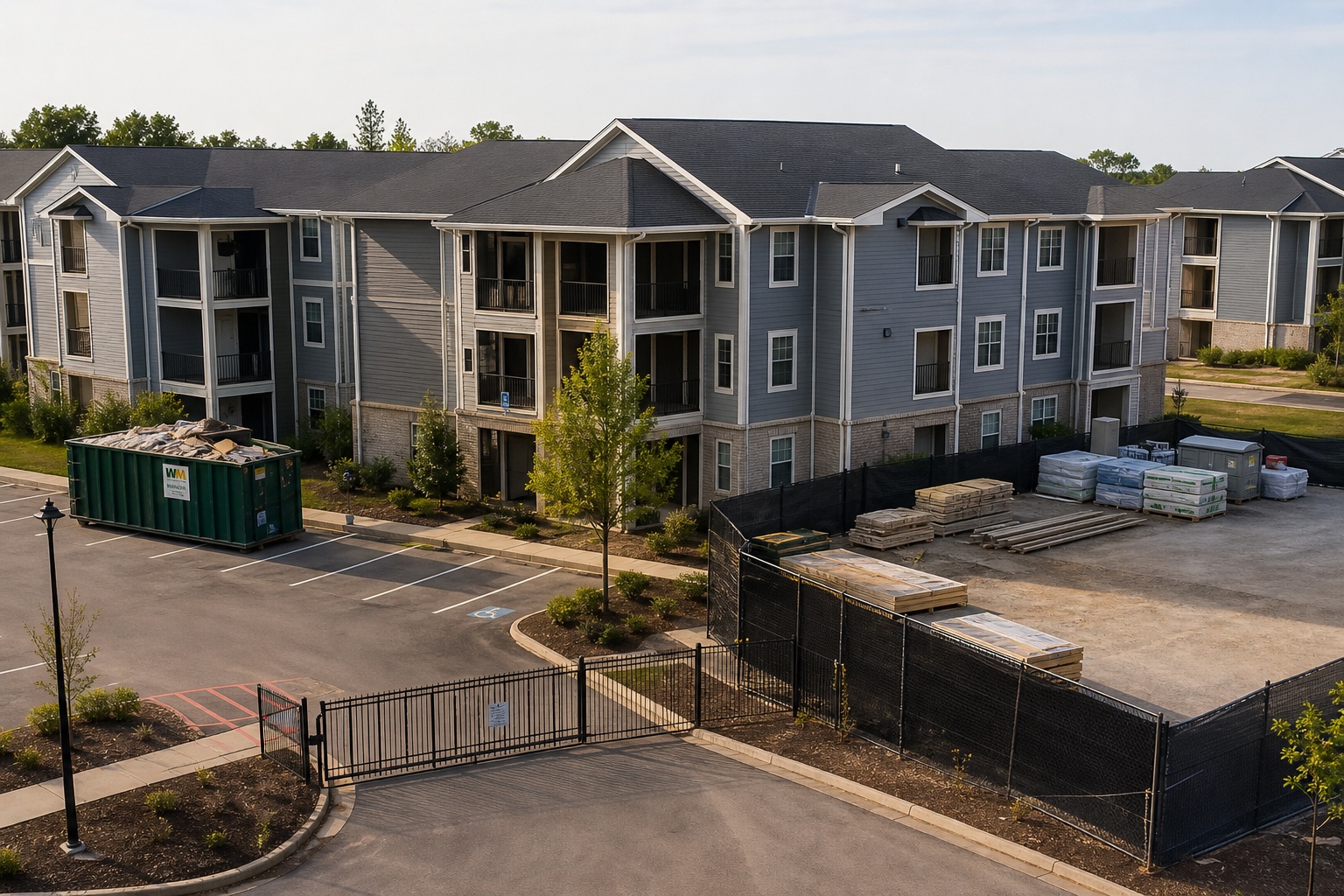
Before placing cameras, the property team should identify where unauthorized access is most likely to occur and where an incident would create the greatest financial or operational impact.
A strong assessment looks at the entire property, not just the front gate. For multifamily renovation and lease-up, security coverage should be planned around people, vehicles, materials, vacant units, and common area exposure.
Map all access points
Document vehicle entrances, pedestrian gates, leasing office entrances, stairwells, breezeways, loading areas, maintenance access, roof access, utility rooms, and any temporary openings created by construction. Unauthorized activity often starts at the easiest access point, not the most visible one.
Identify high-value areas
Prioritize camera coverage for material staging areas, equipment parking, containers, model units, newly renovated buildings, clubhouse work areas, pool equipment, electrical rooms, and areas where appliances or fixtures are stored before installation.
Review lighting and sightlines
Poor lighting, blocked views, temporary fencing, dumpsters, landscaping, and construction materials can create blind spots. Camera placement should account for nighttime visibility and the way the site will change as renovation phases move from building to building.
Define who should be contacted
A monitoring plan should include escalation contacts, property access rules, approved work hours, vendor exceptions, law enforcement instructions, and any areas where audio warnings should be used before escalation.
Use Active Cameras, Not Passive Recording Alone
Traditional cameras can help document what happened after the fact, but vacant multifamily properties need a way to respond while suspicious activity is still in progress.
That is the difference between passive recording and live monitored security cameras. Passive systems may store footage for later review. Jobsite Sentry’s approach combines AI detection with live human monitoring so activity can be reviewed, verified, and escalated in real time based on the site’s monitoring protocol.
This matters because a vacant property can change quickly after dark. A person entering a building, a vehicle circling the parking lot, or movement near material storage may require immediate attention. Waiting until the next morning can mean the difference between a deterred trespasser and a costly incident.
AI helps identify activity
AI-powered detection helps flag people, vehicles, equipment, and movement in monitored zones. This reduces the burden on property teams and helps separate meaningful activity from normal environmental motion when the system is configured correctly.
Live operators verify threats
When suspicious activity is detected, trained operators can review the video, verify the event, issue audio warnings when appropriate, document the incident, and escalate to designated contacts or law enforcement based on the response plan.
Two-way audio can deter activity before damage occurs
Visible cameras and live voice-down warnings can change behavior quickly. A trespasser who realizes the site is being watched in real time is more likely to leave before entering units, damaging property, or stealing materials.
Place Vacant Multifamily Property Security Cameras Where They Can Change Outcomes
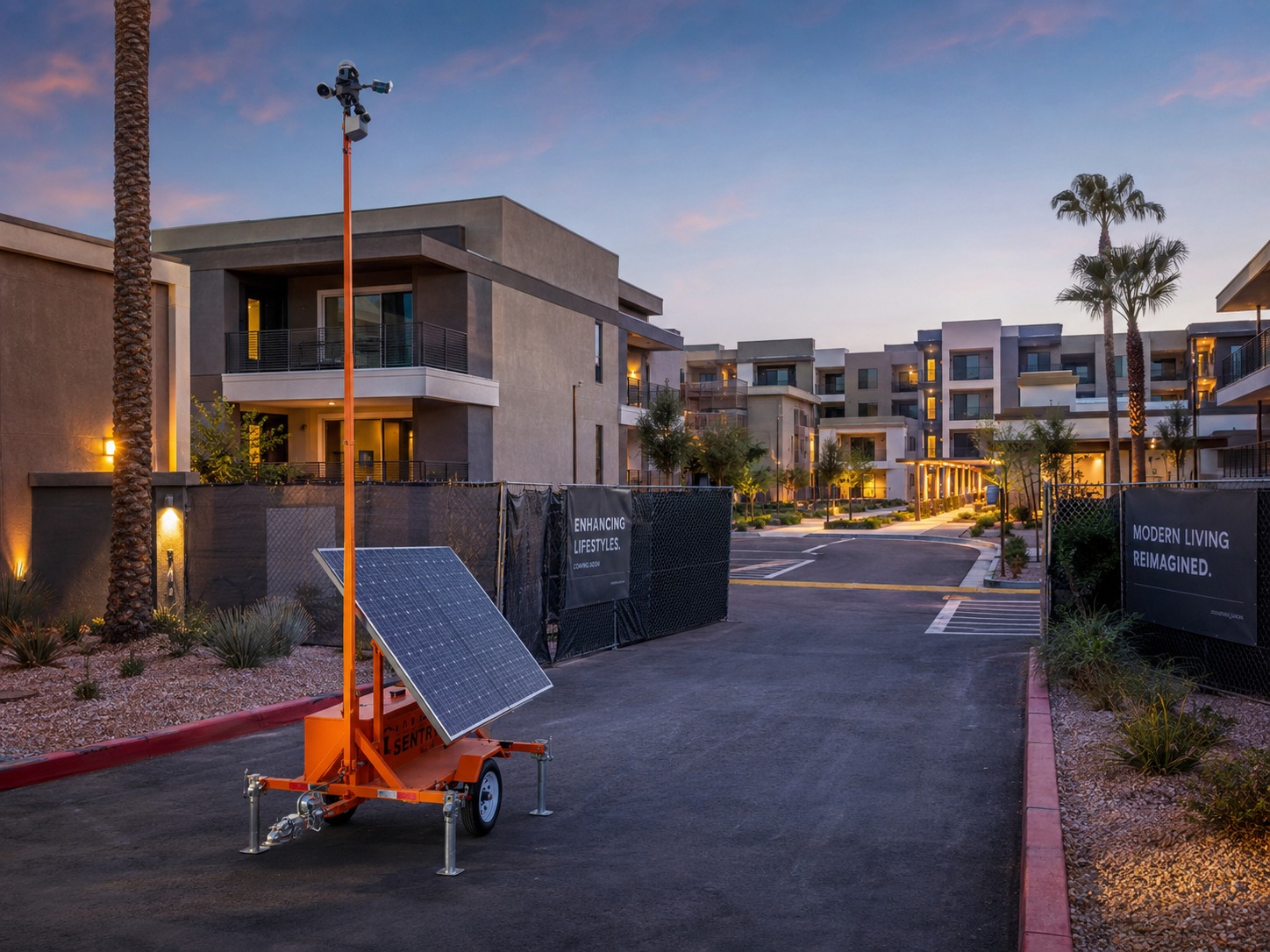
Camera placement should be based on risk, visibility, and response value. The goal is not to cover every square foot with the same priority. The goal is to monitor the places where unauthorized access, theft, vandalism, dumping, or liability events are most likely to occur.
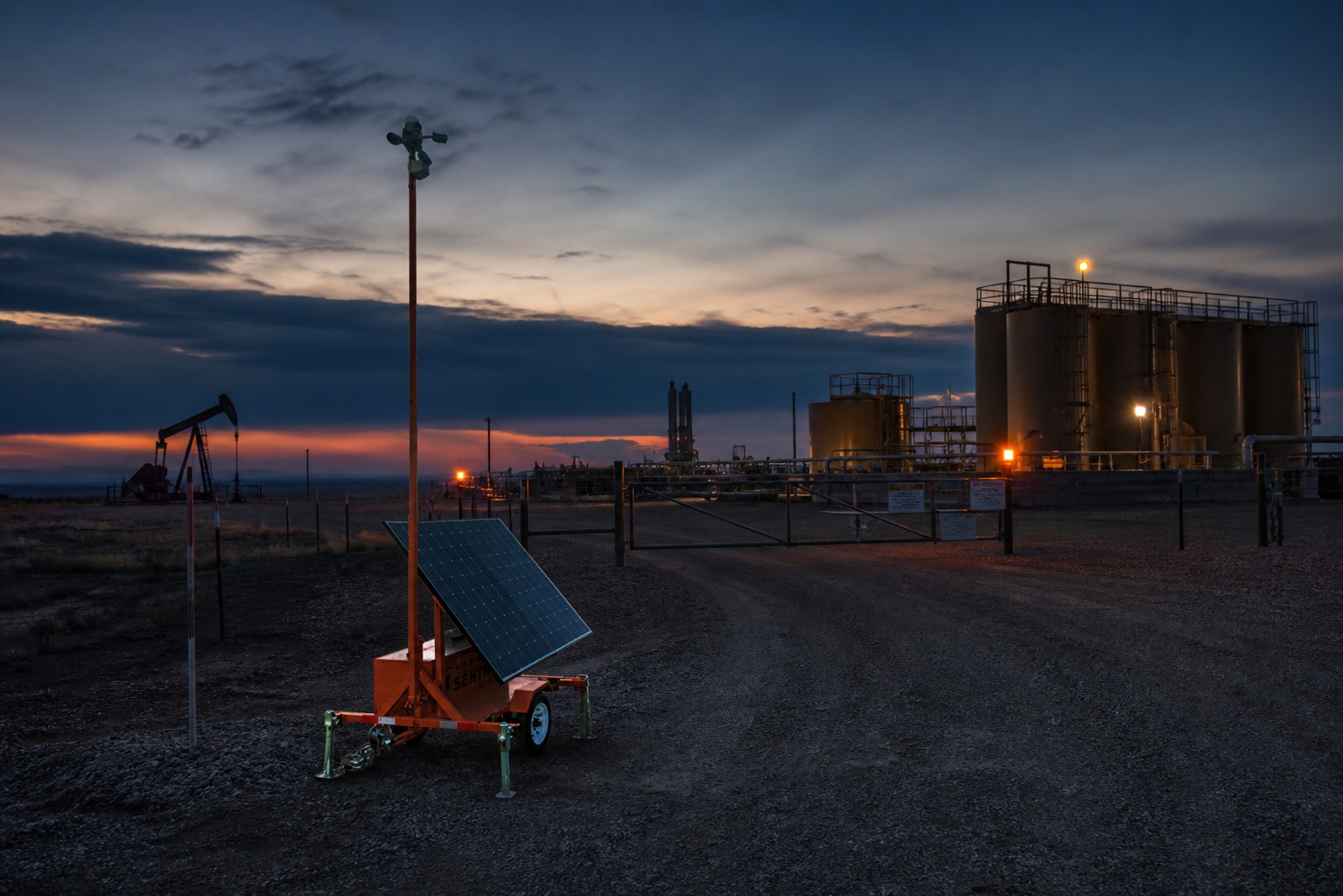
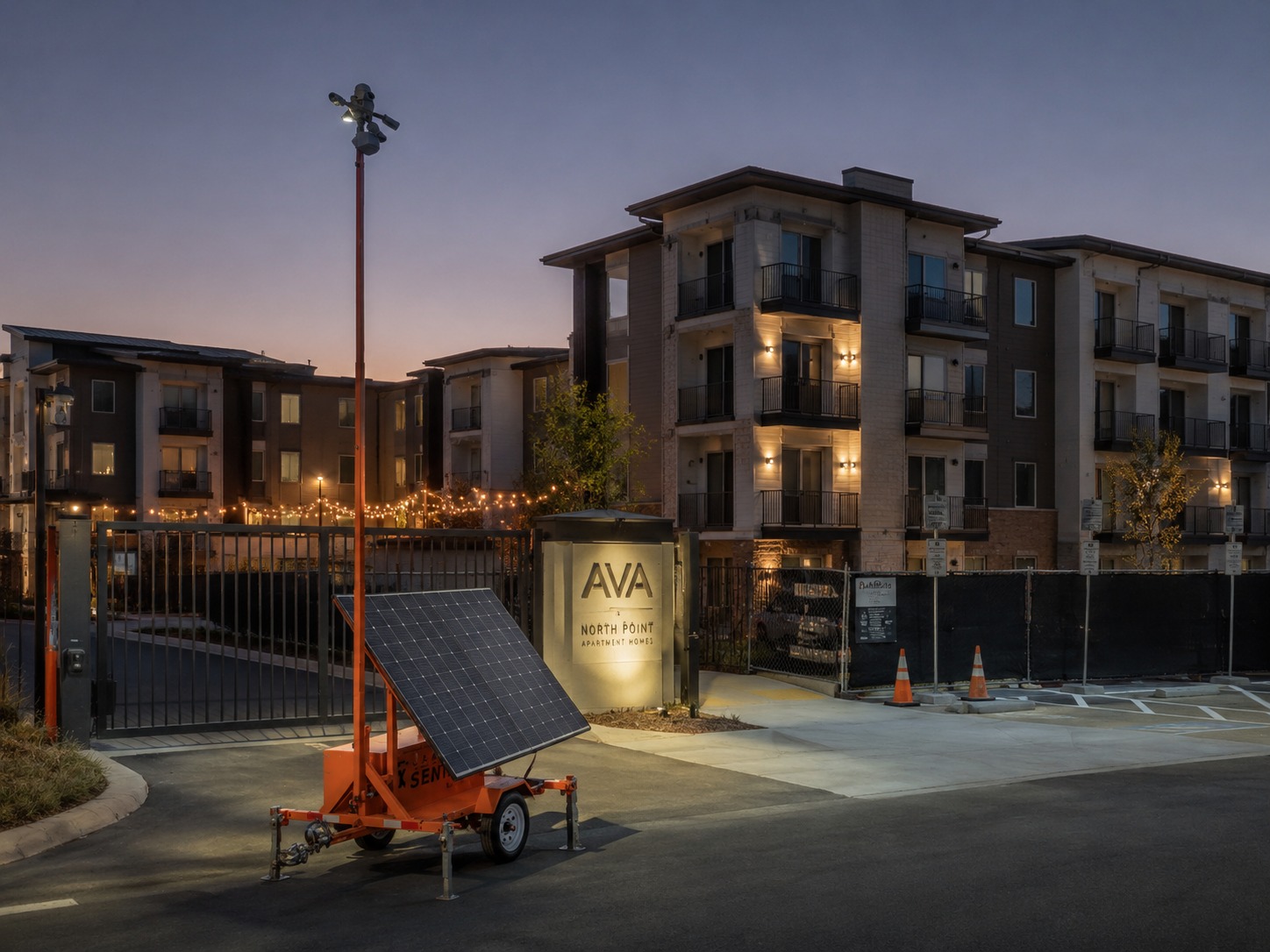
For many vacant apartment properties, one or more mobile surveillance trailers or solar-powered camera units can provide broad coverage while still allowing the system to move as the project changes.
Entrances and exits
Vehicle gates, front drives, rear service roads, pedestrian gates, and temporary construction entrances should be considered first. These locations help document who entered, when they entered, and whether vehicles were present after approved hours.
Parking lots and drive aisles
Parking areas can attract trespassing, catalytic converter theft, illegal dumping, unauthorized vehicle storage, and after-hours loitering. Camera coverage should include approach paths, dark corners, and areas where contractors park equipment or trailers.
Material staging and storage
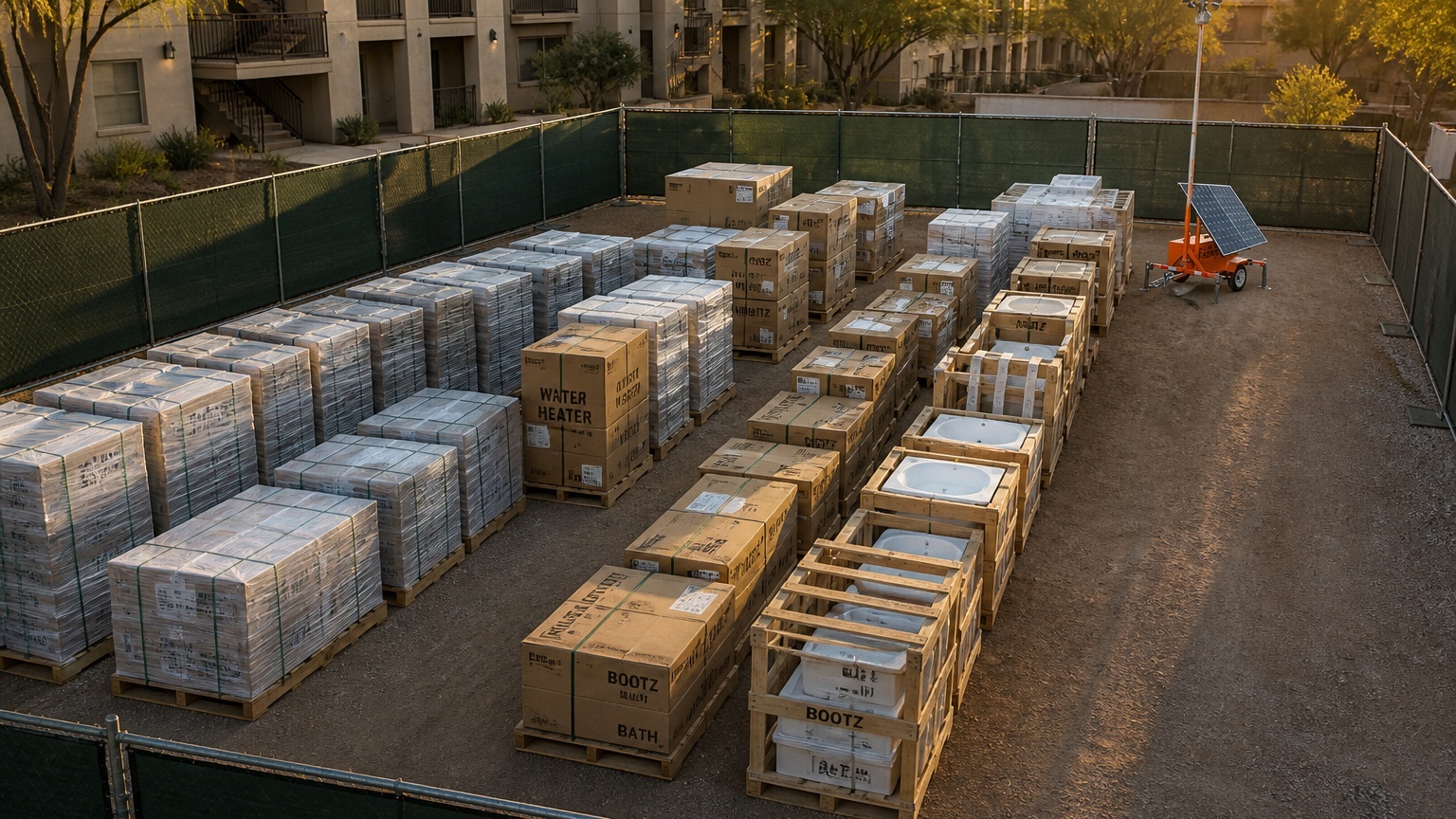
Materials should be staged in controlled areas whenever possible, then monitored with cameras that have clear sightlines. This is especially important for appliances, copper, lumber, fixtures, HVAC equipment, tools, and fuel.
Vacant buildings and common areas
Breezeways, stairwells, clubhouse entrances, pool areas, mail rooms, laundry areas, model units, and maintenance rooms can become gathering points when occupancy is low. Cameras should be placed to monitor entry routes without interfering with resident privacy or leasing operations.
Perimeter gaps and temporary fencing
Temporary fencing is useful, but it is not a complete security solution. Cameras should monitor known weak points, damaged fence sections, rear access routes, and areas where landscaping or adjacent properties make entry easier.
Choose Mobile, Solar-Powered Camera Systems for Temporary Conditions
Renovation and lease-up sites rarely have perfect infrastructure. Power may be limited. Internet may not be installed. The leasing office may not be operational. The site layout may change as buildings are completed and turned over.
That is why mobile surveillance units are often a better fit than permanent camera installations during the vacant phase. Jobsite Sentry systems are designed for temporary outdoor environments and changing property layouts.
No wired power required
Jobsite Sentry’s solar-powered camera trailers and units do not require wired power, generators, trenching, or permanent infrastructure. That makes them a practical option for properties where construction power is temporary or where the final electrical plan is not ready.
Connectivity options for difficult sites
Some multifamily properties have weak cellular service, especially large developments, remote communities, edge-of-town projects, or properties with incomplete infrastructure. Jobsite Sentry can support Starlink-connected security monitoring for locations where traditional internet or cell service is not reliable.
Flexible relocation as the project changes
As renovation moves from one building to another, the highest-risk area changes. Mobile camera units can be repositioned to follow material staging, contractor activity, open buildings, or newly completed areas.
Fast deployment
Jobsite Sentry commonly promotes deployment within 24 to 48 hours depending on location, site access, availability, and conditions. For property teams dealing with a sudden vacancy, vandalism incident, renovation delay, or upcoming lease-up push, fast deployment can be critical.
Give Property Teams Mobile Access Without Making Them Monitor Everything Themselves
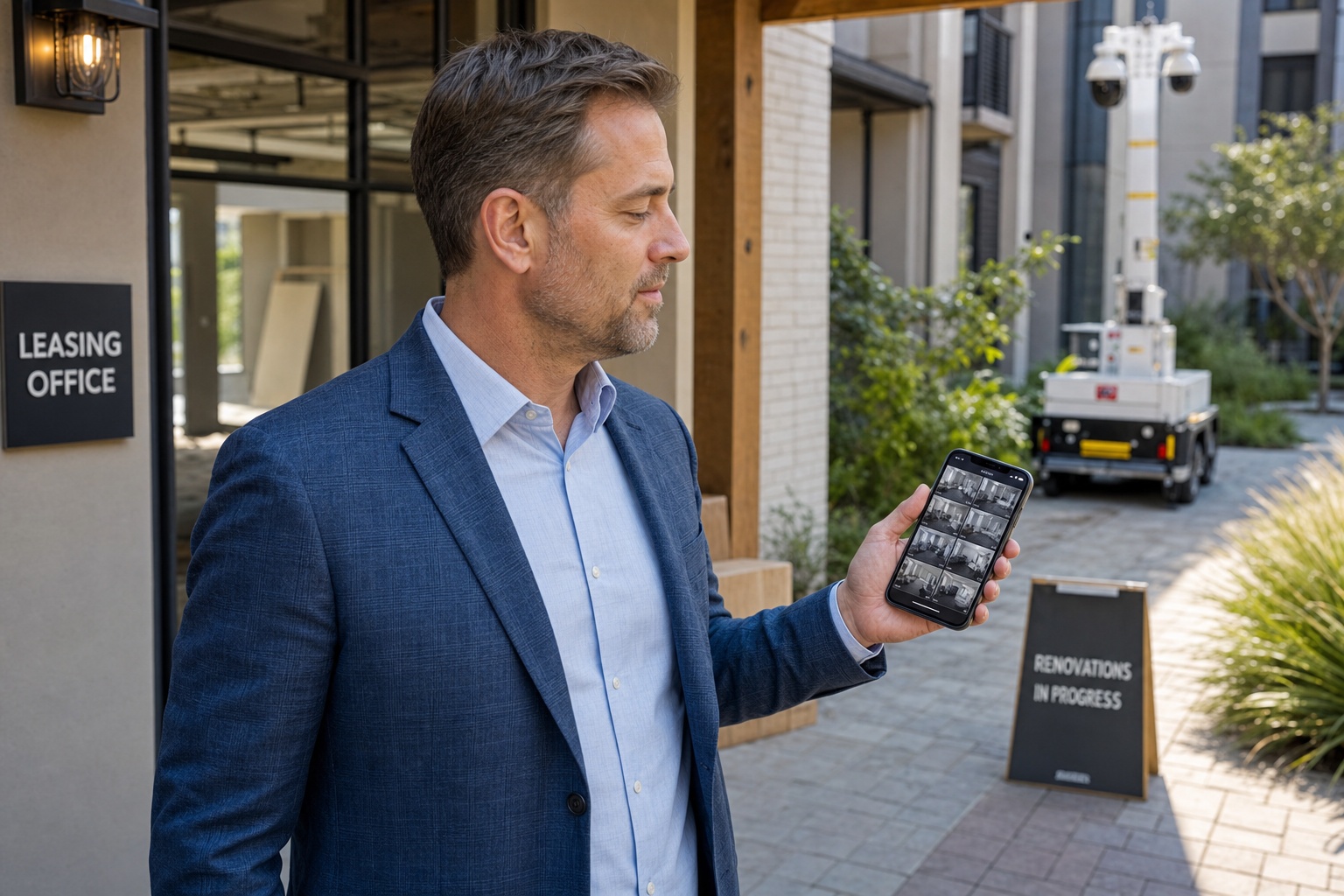
Property managers and asset managers need visibility, but they do not need another screen to watch all night. The right system should provide access when managers need it while relying on trained operators for after-hours monitoring.
Jobsite Sentry’s Jobsite Command Center and mobile app support live view, camera playback, PTZ controls, two-way audio, multi-camera views, clip export, and remote site management. This gives authorized team members practical visibility into the property without turning the leasing or operations team into a security dispatch center.
Live view for owners and managers
Remote access helps teams check site conditions, verify vendor activity, review parking areas, and understand what happened before an incident escalates. This is useful for regional managers and ownership teams who cannot be on-site every day.
Playback and clip export
Footage can be reviewed and exported for police reports, insurance claims, owner updates, vendor disputes, internal documentation, and compliance records. Clear video documentation helps teams respond with facts instead of assumptions.
Custom monitoring schedules
Monitoring can be tailored for nights, weekends, holidays, shutdown periods, off-hours, or specific lease-up windows. If vendors are approved to work late or weekend shifts, the monitoring protocol can reflect those exceptions.
Build a Clear After-Hours Response Plan
Cameras are most effective when paired with a response process. Before monitoring begins, property teams should define what counts as suspicious activity, who should be contacted, when audio warnings should be issued, and when law enforcement should be called.
A vacant multifamily security plan should answer these questions before the first alert occurs.
What happens when suspicious activity is detected?
With Jobsite Sentry, AI detection helps identify activity in monitored zones. Live operators review the event, verify what is happening, and follow the site’s escalation protocol. Depending on the situation, operators may issue an audio warning, notify designated contacts, document the incident, or escalate to law enforcement.
Who is authorized to be on-site after hours?
The monitoring team should know approved work hours, authorized vendors, property staff contacts, emergency maintenance rules, and any planned overnight work. This helps reduce unnecessary escalation while keeping the property protected.
What areas should trigger immediate escalation?
Examples may include occupied-adjacent areas, active fire or water risk, forced entry, copper or HVAC theft, vehicles near storage areas, people entering vacant units, or activity around mechanical and electrical rooms.
Compare Remote Video Monitoring With On-Site Security Guards
Many property teams compare mobile surveillance with hiring an on-site guard. Both can have a role, but they solve different problems.
A guard provides a physical presence, but one person can only be in one place at a time. Large apartment communities, multiple buildings, parking lots, and material staging zones can be difficult to patrol continuously. Guard coverage can also become expensive when nights, weekends, and holidays are included.
Remote video monitoring can watch multiple camera views, document events, issue audio deterrents, and escalate based on a defined protocol. For many vacant multifamily properties, mobile surveillance can provide a practical, scalable layer of security during renovation or lease-up. Some properties may use both options during high-risk periods.
Cost considerations
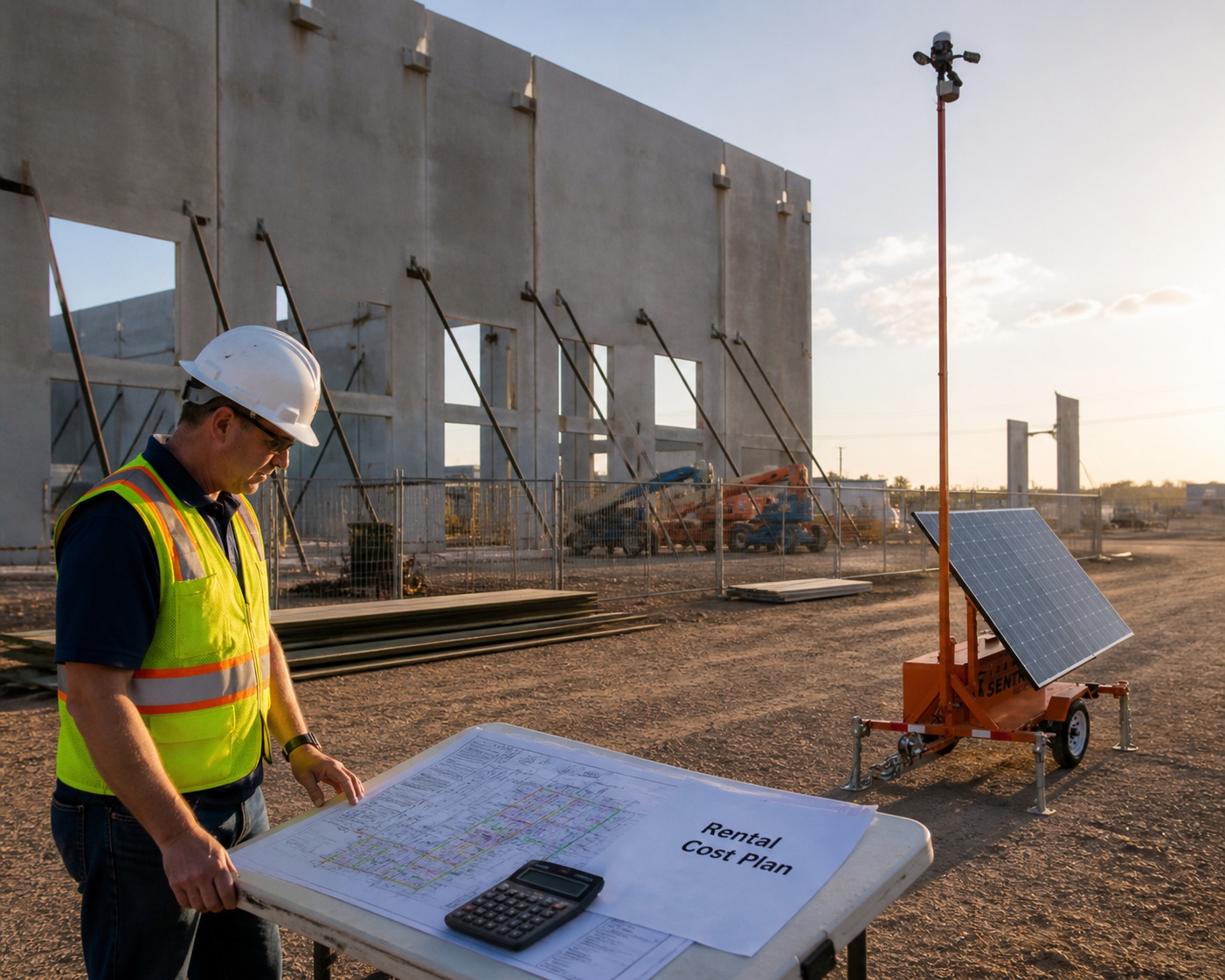
Pricing depends on the number of cameras or units, monitoring schedule, site conditions, connectivity needs, deployment location, and the length of service. Jobsite Sentry advertises live video monitoring as low as $1.99 per hour, but property teams should request a site-specific quote to understand total monthly cost, setup requirements, data needs, relocation needs, and any applicable terms.
Contract flexibility
Vacant property security often needs to match a project timeline, not a long-term permanent contract. Jobsite Sentry promotes transparent pricing, no long-term contracts, and free consultation, site survey, and installation messaging. Current terms should be verified during the quote process.
Coverage flexibility
Mobile camera units can be moved as the highest-risk area changes. This is especially helpful when a property is completing renovation in phases, opening buildings gradually, or shifting leasing activity from one area to another.
Vacant Multifamily Security Checklist
Use this checklist before renovation starts, after an incident, before a lease-up push, or whenever the property layout changes. It can help your team decide where cameras should go first and what information your monitoring provider needs to build an effective response plan.
Priority actions
Walk the property at night, not only during the day. Verify gates, lighting, fencing, vacant unit access, storage zones, parking areas, roof access, mechanical rooms, and leasing office exposure. Confirm who is authorized after hours and whether contractors, cleaners, or maintenance teams have exceptions.
People Also Ask
Q: How do you secure a vacant apartment building?
A: Start by securing access points, improving lighting, locking vacant units and mechanical rooms, staging materials in controlled areas, and using live monitored security cameras to watch entrances, parking areas, storage zones, stairwells, and other high-risk locations after hours.
Q: Are security cameras enough for vacant property security?
A: Cameras are more effective when they are actively monitored. Passive cameras may help after an incident, but live monitored cameras can verify activity, issue audio warnings, document events, and escalate while suspicious activity is still happening.
Q: Can mobile surveillance trailers work without power or internet?
A: Yes. Jobsite Sentry offers solar-powered surveillance units that do not require wired power or permanent internet. Starlink connectivity is available for properties where cellular service or standard internet is unreliable.
Q: What should cameras cover first at a vacant multifamily property?
A: Prioritize entrances and exits, parking lots, material storage, dumpsters, leasing office areas, vacant building access points, stairwells, breezeways, mechanical rooms, and perimeter gaps.
Q: Can monitoring be limited to nights and weekends?
A: Yes. Jobsite Sentry can customize monitoring schedules for nights, weekends, holidays, shutdowns, or specific periods when the property is vacant or lightly staffed.
## Download the Vacant Multifamily Security Camera Placement Checklist
Use this checklist to review entrances, parking areas, material storage, vacant buildings, lighting, monitoring schedules, and response contacts before renovation or lease-up.
[BUTTON: Download Checklist PDF]
Frequently Asked Questions
Q: How fast can Jobsite Sentry deploy vacant multifamily property security cameras?
A: Jobsite Sentry commonly promotes deployment within 24 to 48 hours depending on location, equipment availability, access, and site conditions. A site review helps determine the right placement and monitoring setup.
Q: Can the cameras be moved as renovation phases change?
A: Yes. Mobile surveillance trailers and camera units can be repositioned as the renovation or lease-up plan changes, helping maintain coverage over the highest-risk areas.
Q: Can operators contact law enforcement?
A: Yes. Based on the property’s escalation protocol and the verified event, operators can notify designated contacts or escalate to law enforcement when appropriate.
Q: Can property managers view footage from a phone?
A: Yes. Jobsite Sentry’s mobile app and command center provide live view, playback, PTZ controls, two-way audio, multi-camera views, and clip export for authorized users.
Q: How much does mobile surveillance cost for a vacant multifamily property?
A: Cost depends on the number of units, monitoring hours, connectivity needs, property layout, deployment location, and service duration. Jobsite Sentry advertises live monitoring as low as $1.99 per hour, but a site-specific quote is recommended.
Conclusion
Vacant multifamily properties need security that can move as quickly as the project does. During renovation, turnover, or lease-up, the risks are temporary, but the costs of an incident can be lasting.
The right vacant multifamily property security cameras should provide more than recorded video. They should deter unauthorized activity, support real-time response, work without permanent power or internet, document events, and give property teams visibility from anywhere.
Jobsite Sentry helps owners, developers, and property managers protect vacant and partially occupied properties with mobile surveillance units, solar-powered cameras, AI detection, Starlink connectivity, live trained operators, and mobile app access. If your property is entering renovation, lease-up, or a high-vacancy period, now is the time to plan coverage before the next after-hours incident.
## Request a Free Vacant Property Security Assessment
Protect your renovation or lease-up phase with mobile, solar-powered cameras, AI detection, live human monitoring, and app-based visibility from Jobsite Sentry. We can review your property layout, identify priority coverage zones, recommend monitoring hours, and discuss deployment options based on your schedule.
[BUTTON: Request Free Site Assessment]
Source References
- Jobsite Sentry website: https://jobsitesentry.com/
- Jobsite Sentry service information for mobile surveillance trailers, live video monitoring, solar-powered cameras, Starlink connectivity, and mobile app access.
- Local law enforcement vacant property security recommendations should be reviewed and linked where applicable before publishing.
- Insurance carrier or risk management guidance on vacant building protection should be reviewed and linked where applicable before publishing.