How to Prevent Copper Theft on Construction Sites

A practical after-hours security plan for electrical rough-in, material storage, active builds, and remote jobsites.
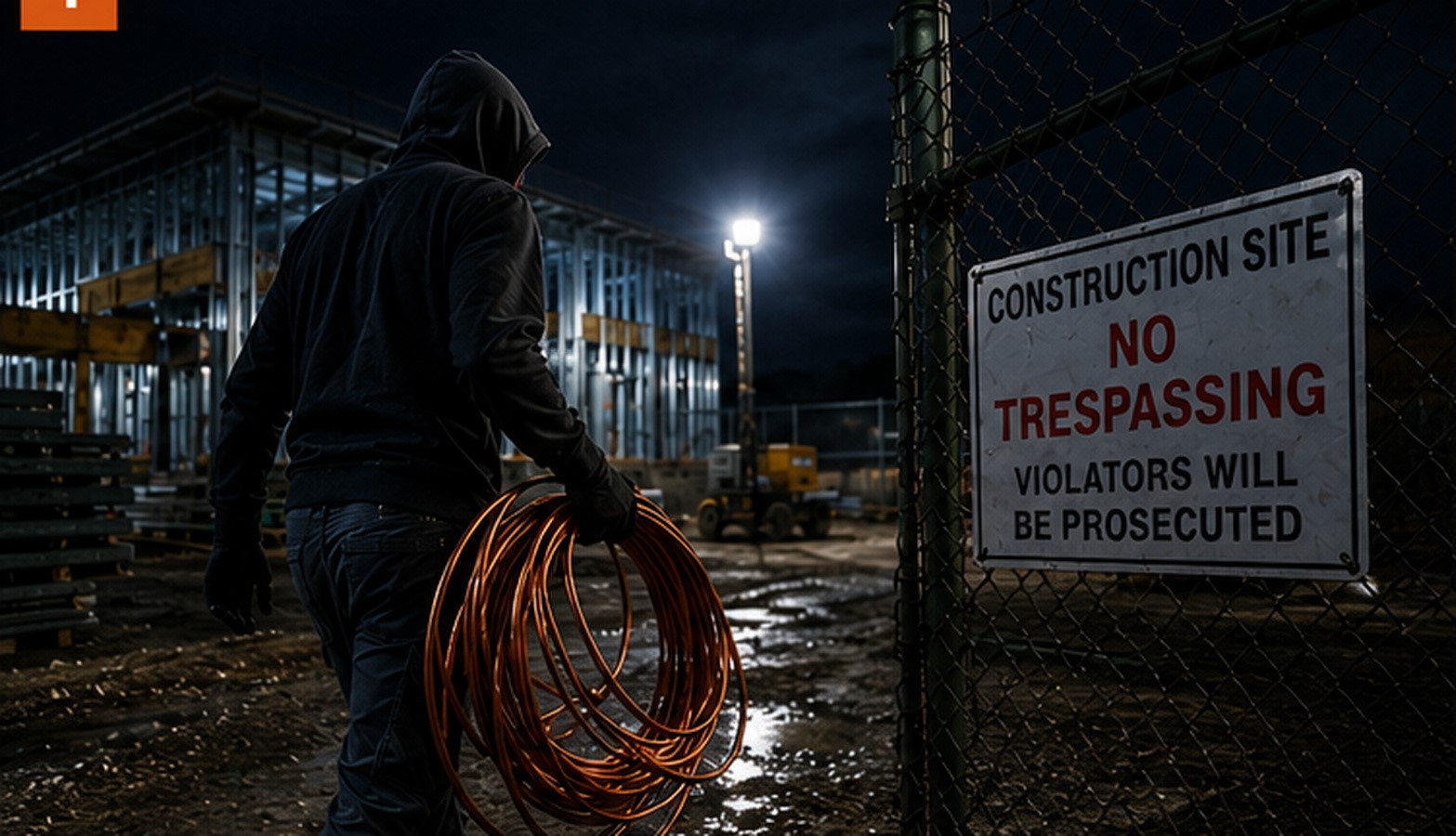
Copper theft rarely looks expensive at first glance. A few coils disappear, a feeder is cut, or installed wire is pulled from a partially completed building. The scrap value may be only one part of the loss. The project can also face damaged conduit, repeated electrical work, delayed inspections, remobilized crews, insurance questions, and a schedule that no longer matches the rest of the job.
The most effective construction site copper theft prevention plan does not rely on one lock or one camera. It reduces how much copper is exposed, controls who can reach it, places cameras around the routes a thief would use, and gives someone a clear response procedure when suspicious activity happens after hours.
This guide explains how general contractors, project managers, superintendents, electrical contractors, owners, and developers can protect copper wire, tubing, grounding materials, electrical equipment, and other high-value materials without turning the site into an unmanageable security operation.
| Quick answer To prevent copper theft on a construction site, limit early deliveries, lock high-value material in controlled storage, document quantities, secure gates and removal routes, improve lighting, and use monitored cameras that can verify after-hours activity while it is happening. The security plan should be updated when electrical rough-in begins, when large deliveries arrive, and whenever the site layout changes. |
Why Copper Theft Costs More Than the Missing Material
Copper is easy to transport, widely used across a project, and difficult to distinguish once it has been cut, stripped, or mixed with other material. That makes construction sites attractive targets, particularly when the electrical phase is visible from the road or when deliveries are staged for several days before installation.
The National Insurance Crime Bureau has documented copper theft incidents that disrupted transportation, public facilities, and critical systems. The U.S. Department of Transportation has also examined practical countermeasures such as controlled delivery, secure transport, marking materials, and coordination with law enforcement. On a construction project, the same principle applies: the repair bill and operational disruption can be far greater than the value of the metal taken.
| Direct loss | Hidden project impact | What the site may need to do next |
|---|---|---|
| Copper wire, tubing, grounding cable, or electrical components | Replacement pricing, expedited freight, and unavailable stock | Reorder material and revise the installation sequence |
| Cut wire or damaged conduit | Rework, demolition, retesting, and additional labor | Remove damaged work and repeat installation |
| Broken doors, fencing, locks, or trailers | A site that remains exposed to repeat entry | Repair access points and review the perimeter |
| Missing material discovered before inspection | Inspection delays and trade scheduling conflicts | Reschedule inspectors and affected subcontractors |
| Incomplete incident record | Insurance, police, and internal reporting become harder | Reconstruct the timeline from logs, footage, and interviews |
When Construction Sites Are Most Vulnerable to Copper Theft
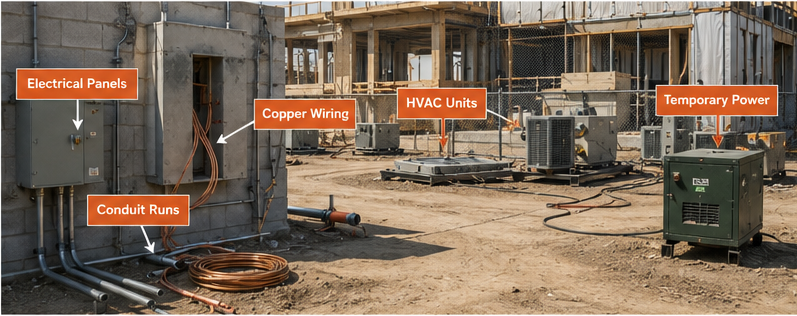
A jobsite is not equally exposed during every phase. Copper risk usually rises when material volume increases faster than installation, when the site becomes quieter after normal work hours, or when visible progress makes the next day’s inventory predictable.
| Project moment | Why risk increases | Security adjustment |
|---|---|---|
| Electrical rough-in begins | Wire, cable, panels, and tools become concentrated in specific buildings or floors | Add tighter monitored zones around access points, material storage, and the electrical work area |
| Large delivery arrives | Material may remain staged before the electrical crew can install it | Confirm quantity, move it to controlled storage, and update the authorized delivery window |
| Friday afternoon or holiday shutdown | Materials remain on-site through a longer low-occupancy period | Reduce exposed inventory and extend monitoring schedules before crews leave |
| Building becomes weather-tight | Installed wire may be hidden from general view but easier to remove without being seen from the street | Cover doors, corridors, loading areas, and likely vehicle access routes |
| Site layout changes | Containers, equipment, and stacked materials can create new blind spots | Recheck camera sightlines and reposition mobile units |
| Project nears turnover | Fixtures, appliances, controls, and finished electrical components arrive together | Expand coverage beyond raw copper to completed spaces and high-value rooms |
Why Fencing and Record-Only Cameras Are Often Not Enough
Fencing, gates, locks, lighting, and recorded video all matter. The weakness appears when each control is expected to work by itself. A fence may delay entry but not stop someone with tools. A lockable container may protect bulk material but not installed wire inside the structure. A camera may record the theft but provide no intervention until the superintendent arrives the next morning.
The better approach is layered. Physical controls slow access. Good site organization reduces opportunity. Monitored cameras identify activity in the right places. A trained operator or approved contact then follows a defined response plan. For a construction-specific overview, review Jobsite Sentry’s construction site security camera solutions.
A 10-Step Copper Theft Prevention Plan
- Schedule copper deliveries close to installation. Avoid letting large quantities sit through nights, weekends, or shutdowns when the electrical crew will not use them immediately. Confirm the installation sequence before placing the order, then split deliveries when practical.
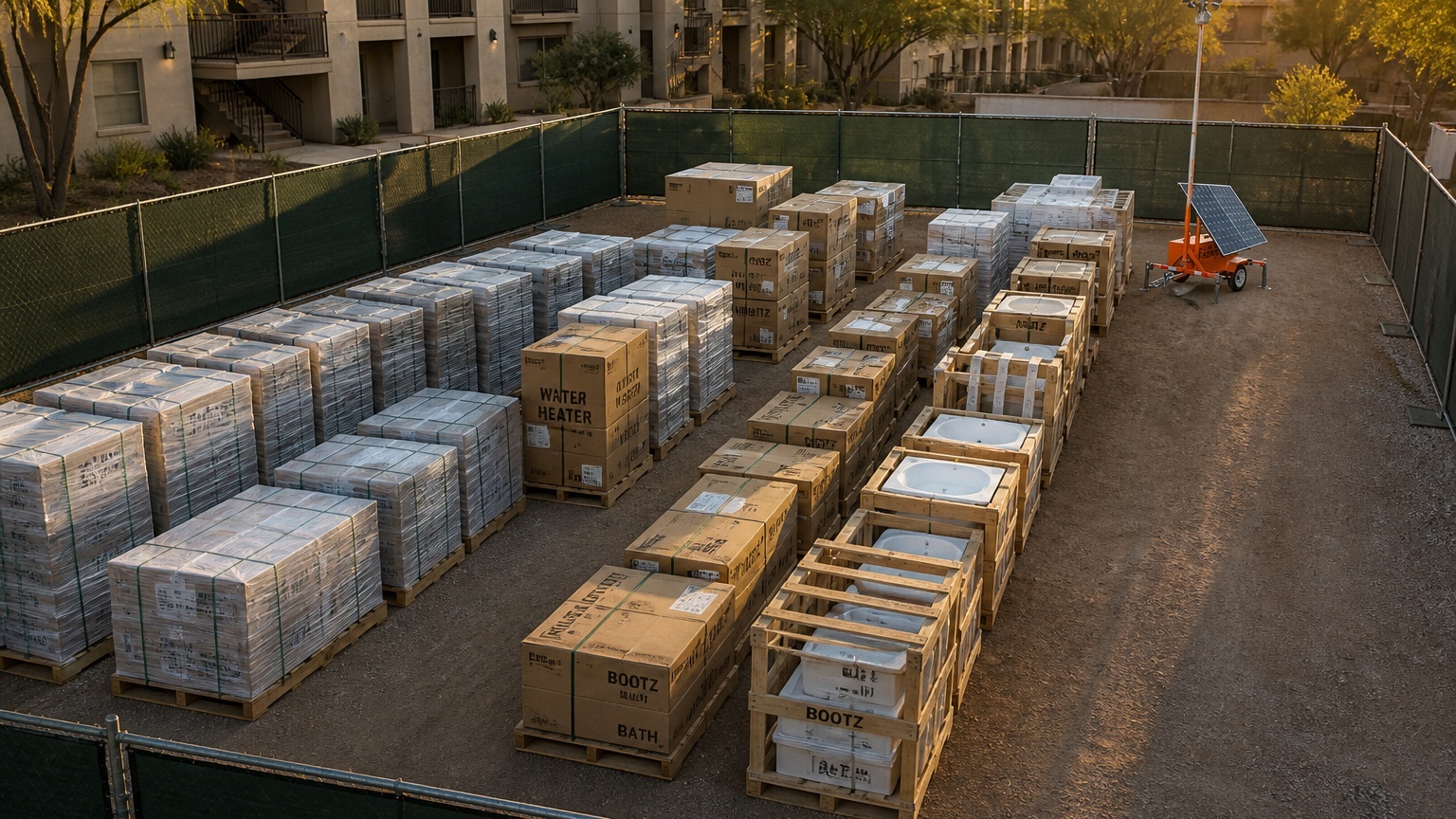
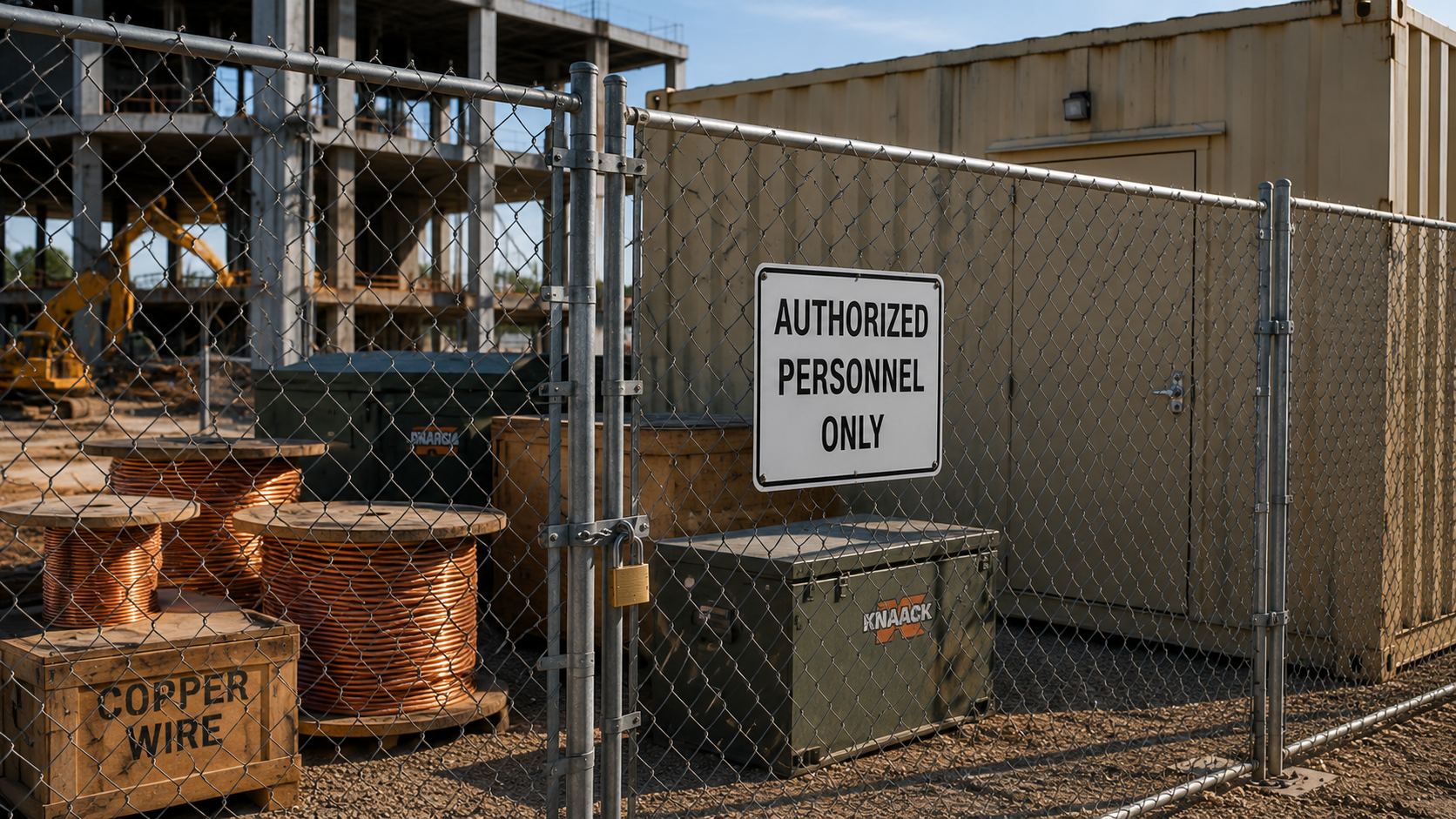
- Create one controlled material zone. Do not spread copper across multiple trailers, floors, and open laydown areas. Use a lockable container, secured room, fenced compound, or other controlled location with a documented key or access process.
- Track what arrives and where it goes. Record delivery time, vendor, quantity, receiving person, storage location, and movement to the work area. Photos and purchase records can help confirm what was on-site if something later goes missing.
- Protect the removal route, not only the storage point. A thief still needs a path to a vehicle. Cover the gate, loading area, drive aisle, building exit, and any route that allows material to leave the site. Camera placement should show both the protected material and the direction of travel.
- Reduce visibility from public areas. Do not advertise fresh deliveries by leaving reels, coils, or pallets in view from the road. Keep packaging and scrap from making the quantity of copper on-site obvious.
- Use lighting that supports identification. Lighting should help cameras capture faces, clothing, vehicles, and movement without creating glare or deep shadows. Review the view at night, not only during daytime installation.
- Monitor the high-risk hours. Match monitoring schedules to the actual job. Nights, weekends, holidays, weather shutdowns, and gaps between subcontractor shifts may need different coverage from normal working hours.
- Define authorized vehicles and deliveries. Give the monitoring team current working hours, vendor names, expected vehicles, and temporary exceptions. This helps distinguish a scheduled delivery from an unauthorized truck entering a closed site.
- Use live warnings and escalation rules. When appropriate, a verified audio warning can interrupt activity before material is removed. The site should also define who is contacted, when law enforcement may be notified, and what information must be documented.
- Review the plan after every change. Electrical work moves quickly. Recheck the site after major deliveries, building enclosure, floor transitions, container relocation, fencing changes, and any theft or suspicious event.
Where Cameras Should Cover First
The best camera location is not always the nearest light pole or the easiest place to park a trailer. Coverage should follow the threat path. A useful view should help answer three questions: where did the person or vehicle enter, what did they approach, and how did they leave?
| Priority area | What the camera should show | Common mistake to avoid |
|---|---|---|
| Primary gate and secondary vehicle access | Approach direction, plate-level context where practical, entry, exit, and vehicle behavior | Pointing only at the gate opening and missing the road or turn-in |
| Copper storage container or secured room | Door, lock, nearby parking, and the route from storage to a vehicle | Creating a tight close-up that loses the surrounding context |
| Electrical rough-in building access | Exterior doors, loading points, stairs, corridors, or floor access used after hours | Assuming the perimeter camera can see activity inside the structure |
| Material laydown and delivery zone | Delivery activity, temporary staging, and movement toward storage or installation | Leaving coverage unchanged after pallets or containers block the view |
| Scrap and waste area | Who deposits or removes material and whether discarded copper is being mixed with usable stock | Treating the dumpster or scrap bin as low value |
| Likely removal route | The path a person, cart, or vehicle would use to take material off-site | Watching the asset but not the exit path |
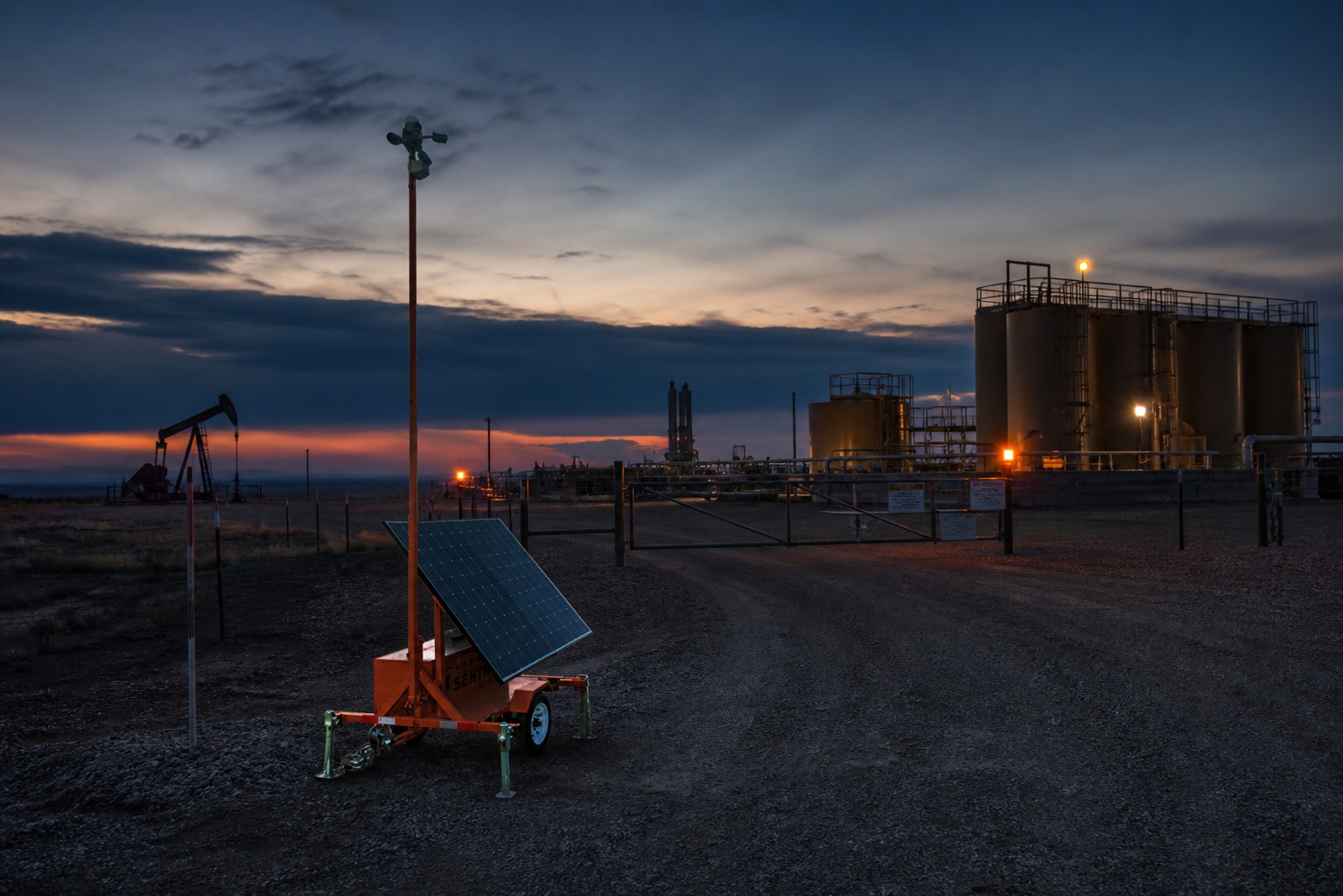
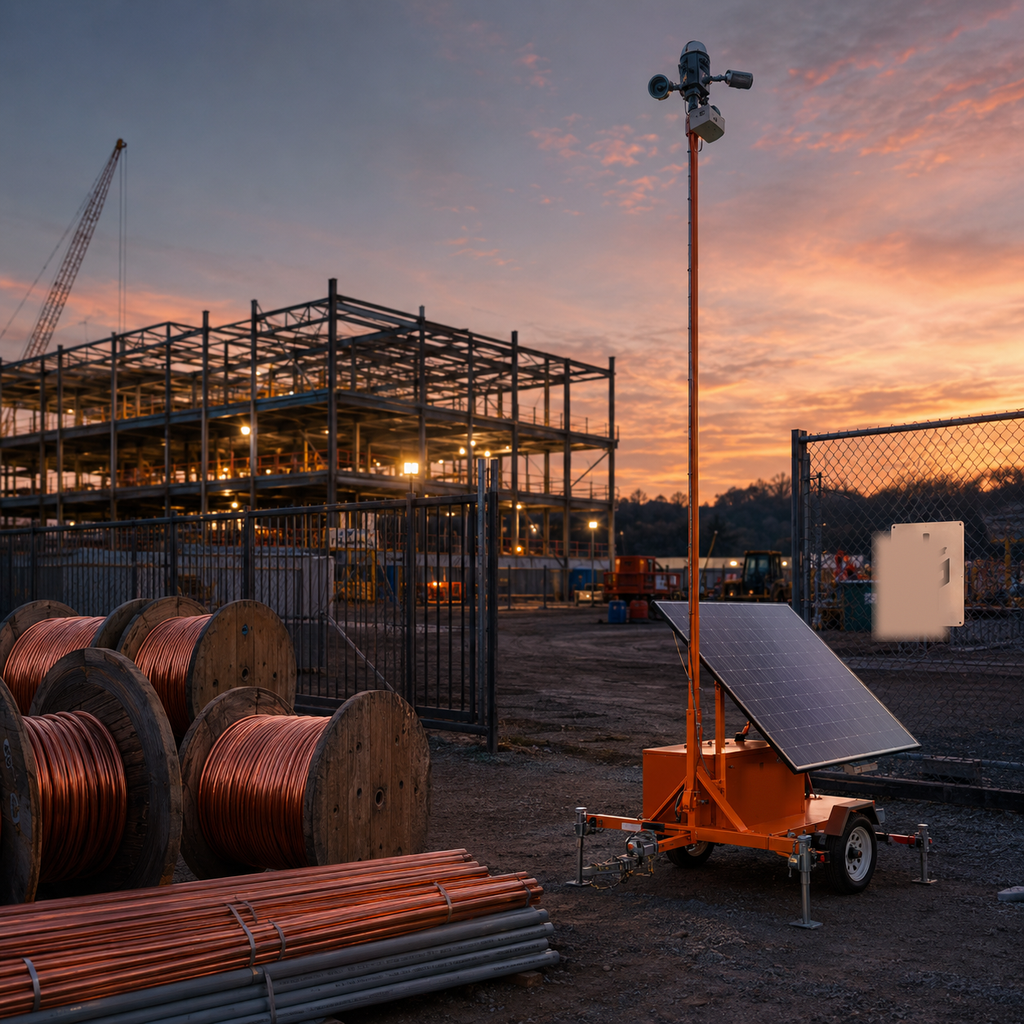
For temporary or changing sites, a mobile surveillance trailer can provide elevated coverage without permanent installation. The unit can be repositioned as the electrical phase moves, but camera views, detection zones, connectivity, and operator instructions should be tested again after every relocation.
What Happens When Suspicious Activity Is Detected?
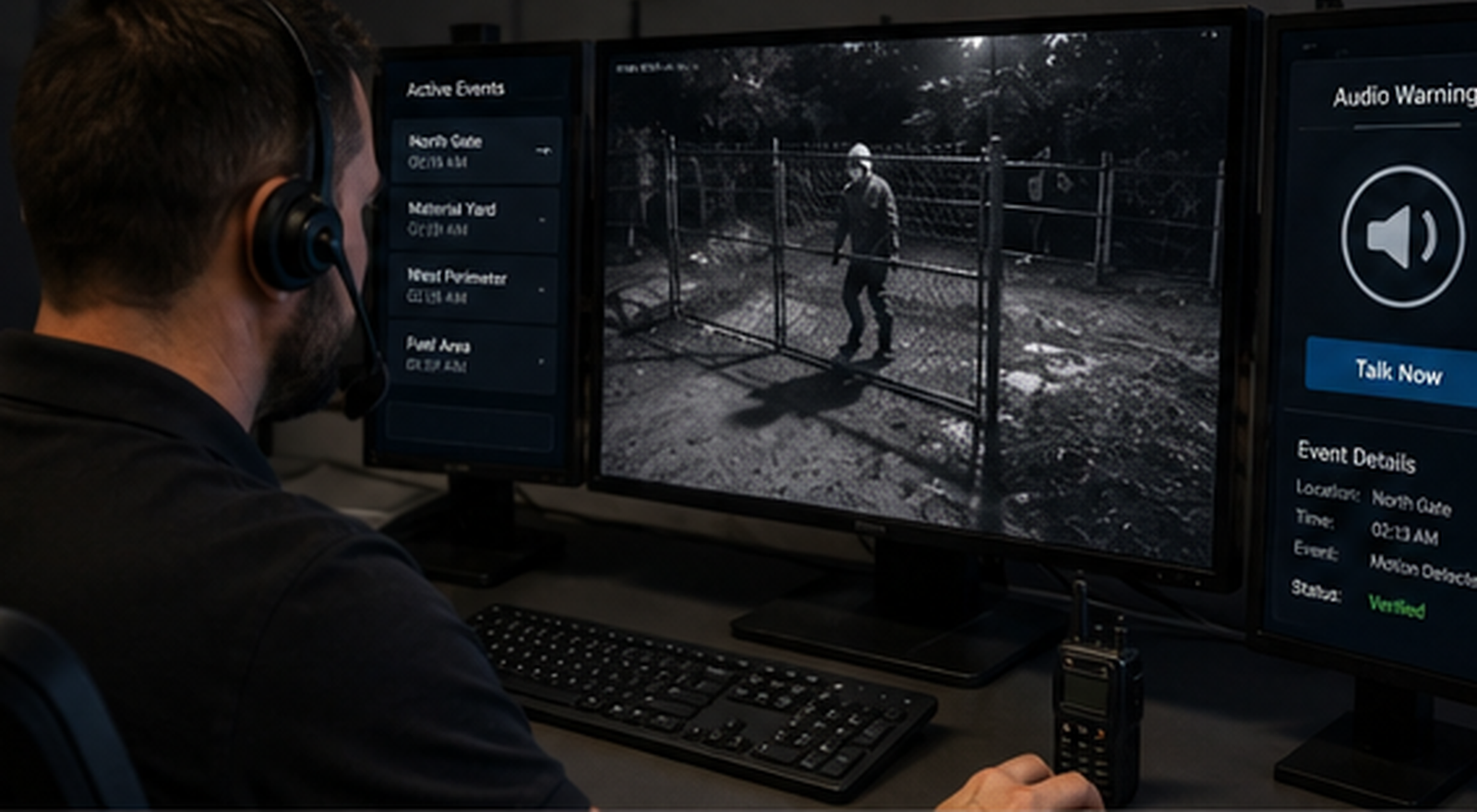
The value of monitoring is not the number of alerts generated. It is the ability to identify meaningful activity and follow the site’s instructions while the event is still developing.
| Stage | What happens | Why it matters |
|---|---|---|
| 1. Detect | AI or analytics flag a person, vehicle, or movement inside a monitored zone during the approved schedule | The system focuses attention on activity in the areas that matter most |
| 2. Verify | A trained operator reviews the live scene and checks working hours, vendors, vehicles, and known exceptions | Verification helps reduce unnecessary escalation |
| 3. Deter | When appropriate, the operator issues an audio warning or follows another approved intervention step | Early intervention may stop removal before it progresses |
| 4. Escalate | The operator contacts designated personnel or law enforcement according to the written protocol | The response does not depend on one manager noticing a phone alert |
| 5. Document | Relevant clips, timestamps, camera views, warnings, contacts, and incident notes are preserved | The project has a clearer record for follow-up, police, insurance, and internal review |
For a deeper look at evidence preservation and incident follow-up, read what happens after a jobsite incident and why video evidence matters. If the incident has already occurred, Jobsite Sentry’s video review service can support a focused review of recorded footage and preparation of timestamped clips.
Can Copper Storage Be Protected Without Site Power or Internet?
Yes. Early-stage projects, highway work, remote developments, and large sites may need security before permanent utilities are available. Solar-powered cameras with battery storage can operate independently of jobsite power. Live remote monitoring still needs a communication path, which may be cellular or satellite depending on the location.
Where cellular service is weak or unavailable, Starlink-connected remote security can provide connectivity for live video, alerts, and operator response. The proposed position should still be reviewed for power demand, solar exposure, clear-sky visibility, obstructions, and actual communication performance.
The practical difference between a live system and a record-only system should be clear. Local recording may preserve footage, but it cannot provide live verification, audio intervention, or real-time escalation. The full planning considerations are explained in Solar-Powered Security Cameras Without Power or Internet.
Security Guards, Basic Cameras, or Live-Monitored Units?
Different sites need different combinations. A guard can control access and physically interact with people. A basic camera can record a defined view. A live-monitored mobile unit can provide elevated, recorded coverage with remote verification and approved escalation. High-risk projects may use more than one method.
| Option | Where it helps | Main limitation for copper theft |
|---|---|---|
| On-site security guard | Access control, patrols, visitor interaction, and physical presence | One person cannot watch every floor, gate, storage point, and removal route continuously |
| Basic DVR or app camera | Recorded evidence and occasional remote viewing | The theft may be complete before anyone watches the footage or sees the notification |
| Live-monitored mobile camera unit | After-hours verification, audio deterrence, recorded evidence, and site-specific escalation | Requires correct placement, reliable power and connectivity, and current operator instructions |
| Layered combination | Large, complex, or repeatedly targeted projects | Needs clear division of responsibility so alerts and incidents do not fall between teams |
What to Do Immediately After a Copper Theft
- Do not disturb the entry point, damaged locks, tools, packaging, or other evidence unless safety requires it.
- Confirm the exact time window using work logs, access records, deliveries, and the last verified inventory count.
- Preserve original video clips, timestamps, camera names, and surrounding context. Do not rely only on a phone recording of a monitor.
- Document what is missing, including type, quantity, manufacturer information, purchase records, photos, and identifying marks where available.
- Report the incident according to company policy and local law-enforcement procedures.
- Notify the insurer or risk team when required, and keep repair, replacement, delay, and labor costs separated for the claim record.
- Review how the site was entered, how the copper was reached, and how it was removed. Correct the route, not only the final point of theft.
- Increase coverage and update monitoring instructions before replacement material arrives. Repeat theft is a realistic risk when the same weakness remains open.
A Practical Copper Theft Readiness Checklist
Use this checklist before electrical rough-in, before a large copper delivery, after a suspicious event, or before the site closes for a weekend or holiday.
- Delivery dates match the installation schedule and avoid unnecessary overnight storage.
- Copper quantity, vendor, receiving person, and storage location are documented.
- Bulk material is inside a controlled storage area with limited key or access permissions.
- The primary gate, secondary access, building exits, material storage, and likely removal route are visible.
- Lighting has been reviewed at night for glare, shadows, and identification quality.
- Working hours, vendor exceptions, delivery windows, and authorized vehicles are current.
- Monitoring hours cover nights, weekends, holidays, shutdowns, and other low-occupancy periods.
- Audio-warning, notification, and law-enforcement escalation rules are written and approved.
- Footage retention, clip export, incident notes, and evidence access are understood.
- Camera views and detection zones will be reviewed after the next delivery or site-layout change.
People Also Ask
How do you stop copper theft on a construction site?
Use layered controls. Limit early deliveries, store copper in a controlled area, document quantities, secure gates and removal routes, improve lighting, and use monitored cameras with a written response plan for after-hours activity.
When is copper most likely to be stolen from a jobsite?
Risk often increases during electrical rough-in, after large deliveries, over weekends and holidays, during shutdowns, and when the site layout allows easy vehicle access to stored or installed material.
Where should security cameras be placed to protect copper?
Prioritize gates, secondary access points, copper storage, electrical rough-in entrances, loading areas, scrap zones, and the route a person or vehicle would use to remove material from the site.
Can cameras prevent copper theft or only record it?
Record-only cameras mainly help after an event. A live-monitored system can support verification, audio warnings, customer notifications, documentation, and approved escalation while suspicious activity is still happening.
Can a construction site monitor copper without power or internet?
Yes. Solar-powered units can operate without existing site power, and cellular or satellite connectivity can support live monitoring where wired internet is unavailable. The exact setup should be verified at the proposed location.
Download the Construction Site Copper Theft Prevention Checklist
Use the checklist to review deliveries, storage, access, lighting, camera placement, monitoring hours, authorized activity, escalation contacts, and evidence procedures before copper arrives on-site.
Frequently Asked Questions
Should copper be delivered just in time?
Where practical, yes. Delivering close to installation reduces the number of nights the material sits unused. The schedule should still allow enough time for inspection, handling, and trade coordination.
Is a locked jobsite container enough?
It is a useful layer, but it should not be the only one. Protect the container door, nearby parking, gate, and likely removal route. Keep access controlled and avoid leaving the quantity of material visible.
Should scrap copper be secured?
Yes. Scrap can reveal that copper work is active on the site and may itself be valuable. Use a controlled scrap process, document removals, and avoid leaving usable offcuts in an open dumpster or bin.
Can monitoring be limited to nights and weekends?
Yes. Monitoring can be scheduled around the site’s actual risk window. Some projects need continuous coverage, while others need nights, weekends, holidays, weather shutdowns, or specific buildings monitored after the crew leaves.
Can a mobile surveillance trailer move as electrical work progresses?
Often, yes. Mobile units can be repositioned as gates, storage areas, and work zones change. Camera views, detection zones, connectivity, and response instructions should be retested after each move.
What information should the monitoring team receive?
Provide normal work hours, holiday schedules, vendors, authorized vehicles, delivery windows, active buildings, primary and backup contacts, audio-warning rules, and the conditions for escalation.
Can footage help with police or insurance reports?
Video can help establish entry and exit times, vehicles, direction of travel, affected areas, and the sequence of activity. Preserve original clips and context, and follow local agency or insurer requirements for evidence submission.
How often should the copper theft plan be reviewed?
Review it before major deliveries, at the start of electrical rough-in, after a weekend or holiday shutdown, after camera relocation, after site-layout changes, and after any theft or suspicious event.
Are signs and visible cameras useful?
They can support deterrence, but they work best as part of a complete plan. A determined thief may still enter, so the site also needs controlled storage, useful camera views, live verification, and clear response rules.
How quickly can Jobsite Sentry review a construction site?
Timing depends on location, access, site conditions, and equipment availability. Jobsite Sentry promotes fast deployment and can review the site layout, priority risk zones, power and connectivity limits, and monitoring schedule during the consultation.
Conclusion: Protect the Copper Before the Replacement Delivery
Copper theft is easier to prevent when the site treats it as a predictable project risk rather than a surprise crime. The warning signs are usually visible: electrical work is active, valuable material has arrived, the site is quiet after hours, and a vehicle can approach the storage or building without being challenged.
A practical plan reduces exposed inventory, keeps material in controlled locations, watches the routes that matter, verifies activity in real time, and preserves a clear record when something happens. It should also move with the project. The security plan that worked during grading may not protect electrical rough-in, and the view that covered yesterday’s storage area may be blocked after tomorrow’s delivery.
Jobsite Sentry helps construction teams protect active builds, material storage, equipment, fuel, remote sites, and changing work zones with solar-powered camera units, mobile surveillance trailers, AI detection, live monitoring, Starlink connectivity, mobile access, and video review support.
| PROTECT YOUR SITE BEFORE COPPER GOES MISSING Every site has different access points, storage areas, delivery patterns, and after-hours risks. Jobsite Sentry can review your layout and recommend practical coverage for the routes that matter most. ✓ Live remote video monitoring Request a free construction site security review
|
Related Jobsite Sentry Resources
- Construction Site Security Cameras
- Mobile Surveillance Trailer Rental
- Solar-Powered Security Cameras Without Power or Internet
- Starlink Remote Security for Sites Without Cellular Coverage
- How to Secure Equipment Yards and Outdoor Assets After Hours
- What Happens After a Jobsite Incident? Why Video Evidence Matters
- Construction Site Footage Review and Incident Investigation
Source References
- Jobsite Sentry, Construction Site Security Cameras: https://jobsitesentry.com/industries/construction-security/
- Jobsite Sentry, Mobile Surveillance Trailer Rental: https://jobsitesentry.com/mobile-surveillance-trailer/
- National Insurance Crime Bureau, Thieves Turn Copper Theft into Gold: https://www.nicb.org/news/blog/thieves-turn-copper-theft-gold
- U.S. Department of Transportation, Options for Reducing Copper Theft: https://rosap.ntl.bts.gov/view/dot/17912/dot_17912_DS1.pdf
- U.S. Department of Energy, Impact of Copper Thefts on the Department of Energy: https://www.energy.gov/documents/impact-copper-thefts-department-energy-oig-case-no-i11ig002pdf
- NCTA, Protecting the Nation’s Critical Communications Infrastructure from Theft and Vandalism, 2025: https://www.ncta.com/wp-content/uploads/2025/04/Vandalism_2025_Report.pdf
- Sarpy County Sheriff’s Office, Construction Site Theft Prevention: https://www.sarpy.gov/DocumentCenter/View/4017