How Vehicle Detection Cameras Help Multifamily Construction Sites Track Deliveries and Stop Unauthorized Access

Multifamily construction sites have constant vehicle movement. Concrete trucks arrive before sunrise. Framing crews come and go throughout the day. Appliance deliveries, dumpsters, fuel trucks, inspectors, subcontractors, and owner representatives all need access at different times.
That activity creates a security and documentation challenge. If a vehicle enters through the wrong gate, drops materials in the wrong area, blocks a fire lane, damages a curb, or returns after hours, the site team needs more than a vague memory of what happened. They need clear video, accurate timestamps, and a way to respond while the activity is still in progress.
Construction site vehicle detection cameras help multifamily developers and site managers monitor entrances, verify deliveries, document vehicle activity, and detect unauthorized vehicles on active jobsites. When those cameras are paired with AI detection, live human monitoring, mobile app access, solar power, and reliable connectivity, they become a practical site operations tool as well as a security layer.
Jobsite Sentry provides mobile surveillance trailers and solar-powered 4K AI camera systems designed for temporary, active, and remote sites. For multifamily projects, that means flexible coverage for gates, delivery lanes, material staging areas, parking transitions, and after-hours access points without waiting for permanent power or internet.
Why Vehicle Activity Is a Blind Spot on Multifamily Construction Sites
A multifamily jobsite is different from a small commercial build or a single controlled yard. The footprint is larger, the work phases overlap, and the site layout changes as buildings, parking areas, utilities, and amenities come online.
Vehicle access is often the first weak point. Temporary gates get moved. Subcontractors use shortcuts. Delivery drivers follow GPS to the wrong entrance. Dumpsters and material staging areas shift as the project progresses. A gate that was low risk in month two can become a high-value access point in month nine when appliances, copper, HVAC equipment, or finish materials are on site.
Traditional gate logs can help, but they depend on consistent human input. Passive cameras can record activity, but they often leave the team searching through footage after an incident. Construction site vehicle detection cameras give teams a more active way to identify and document vehicle movement in key zones.
For multifamily developers and site managers, the goal is not simply to record every truck. The goal is to answer practical questions quickly: Who entered? When did they arrive? Which gate did they use? Did the delivery go to the correct staging area? Was the vehicle authorized to be there after hours? Did anyone return when the site was closed?
Vehicle access affects security, schedule, and accountability
Unauthorized vehicles are not only a theft risk. They can create safety concerns, damage newly installed work, interfere with scheduled deliveries, and complicate disputes between trades, vendors, and owners.
For example, if a pallet of cabinets is marked delivered but the superintendent cannot locate it, video from the delivery lane can help confirm whether the truck arrived, where it unloaded, and whether another vehicle later moved near that material. If an unknown pickup enters a restricted area at night, live monitoring can help verify the threat and escalate before tools, fuel, copper, or appliances disappear.
What Construction Site Vehicle Detection Cameras Actually Track
Construction site vehicle detection cameras are designed to identify vehicle activity in defined areas. The exact configuration depends on camera position, analytics, monitoring rules, lighting, distance, obstructions, and site conditions.
On a multifamily construction site, vehicle detection may be used to track vehicle presence at a gate, direction of travel, movement into restricted zones, dwell time near material storage, after-hours arrivals, repeated visits, and activity at temporary delivery lanes.
It is important to separate vehicle detection from license plate recognition. Vehicle detection identifies that a vehicle is present or moving in a monitored zone. License plate capture or automated plate recognition requires specific camera positioning, resolution, angle, lighting, and system configuration. Not every vehicle detection camera setup should be assumed to capture readable plates in every condition.
The strongest deployments begin with the operational question first. If the team needs to confirm deliveries, the camera should be placed to capture the truck, entrance, unload area, and timestamp. If the team needs to stop after-hours access, the camera should cover the gate, fence opening, or drive path where unauthorized vehicles are most likely to enter.
Common vehicle events worth monitoring
For multifamily construction, the most useful vehicle events usually include first arrival each morning, unscheduled entries after normal work hours, vehicles stopping near high-value materials, trucks entering through the wrong gate, vehicles moving around barricades, repeated pass-through activity, and weekend or holiday access.
Jobsite Sentry can help teams configure monitoring schedules around nights, weekends, holidays, weather shutdowns, owner turnover periods, and other times when the site is more exposed.
AI detection helps reduce noise
AI-powered jobsite security cameras can help filter activity so teams are not relying only on motion alerts. Wind, shadows, wildlife, and normal site movement can create unnecessary alerts with basic systems.
With Jobsite Sentry, AI detection works with live human monitoring. That combination matters because the system can identify activity, while trained operators can verify whether the activity appears suspicious, routine, or urgent before taking action.
How Vehicle Detection Cameras Help Verify Deliveries
Delivery verification is one of the most practical uses for vehicle detection on a multifamily construction site. Large apartment projects may receive dozens of deliveries tied to different buildings, floors, phases, and subcontractors. A single missed or disputed delivery can delay work or create finger-pointing between vendors and trades.
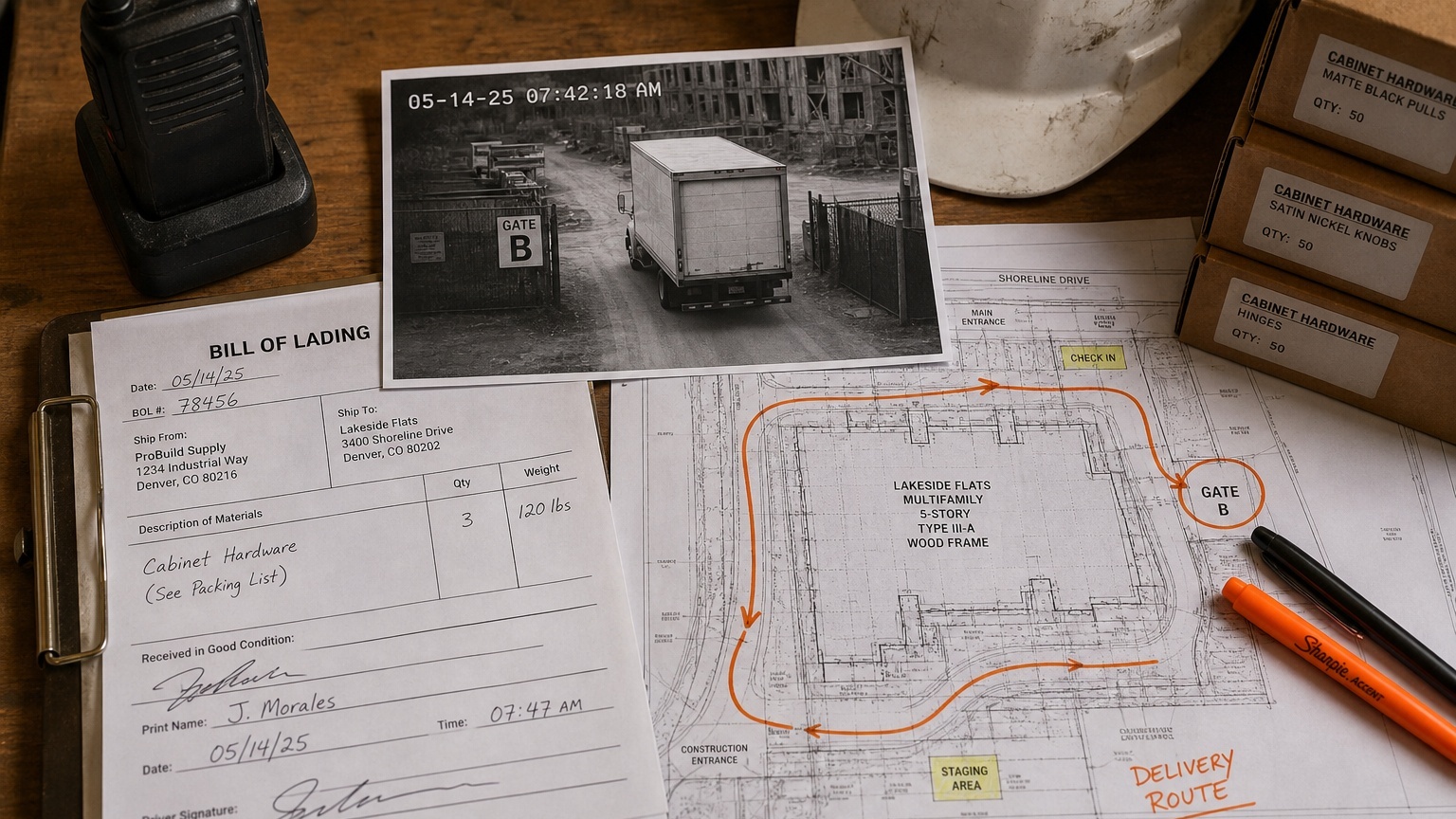
A properly placed camera can document when a delivery vehicle arrived, which entrance it used, whether it waited or left, where it staged, and when it exited. That footage can support internal daily reports, owner updates, vendor conversations, and insurance or police documentation if materials go missing.
Use cameras to confirm the delivery path
The best camera view is not always the widest view. For delivery verification, the team usually needs a clear view of the entrance lane, truck side profile, staging area, and any transfer point where materials are unloaded or moved.
On a multifamily site, this may include the main delivery gate, a secondary gate for concrete or lumber, the appliance staging area, the dumpster route, and the temporary loading zone near elevators or hoists.
Export clips when questions come up
When a delivery dispute occurs, speed matters. Jobsite Sentry’s command center and mobile app allow site managers to review recorded footage and export clips. That can help the team answer a simple question without sending someone to walk the entire property or dig through hours of passive footage.
Exported clips can also support police reports, insurance claims, owner disputes, vendor conversations, and compliance records when applicable.
Document vehicle activity without slowing the gate
Vehicle detection cameras do not have to replace existing sign-in procedures, badges, delivery tickets, or superintendent check-ins. They add a visual record to those processes.
That matters on busy multifamily sites where stopping every truck for a manual log may not be realistic. Video helps create a backup record, especially when gate staffing changes or the site is operating during early morning pours, weekend work, or phased turnover.
How AI Detection and Live Monitoring Help Stop Unauthorized Vehicles
A camera that only records is useful after something happens. A monitored camera system is more useful when suspicious activity is happening right now.
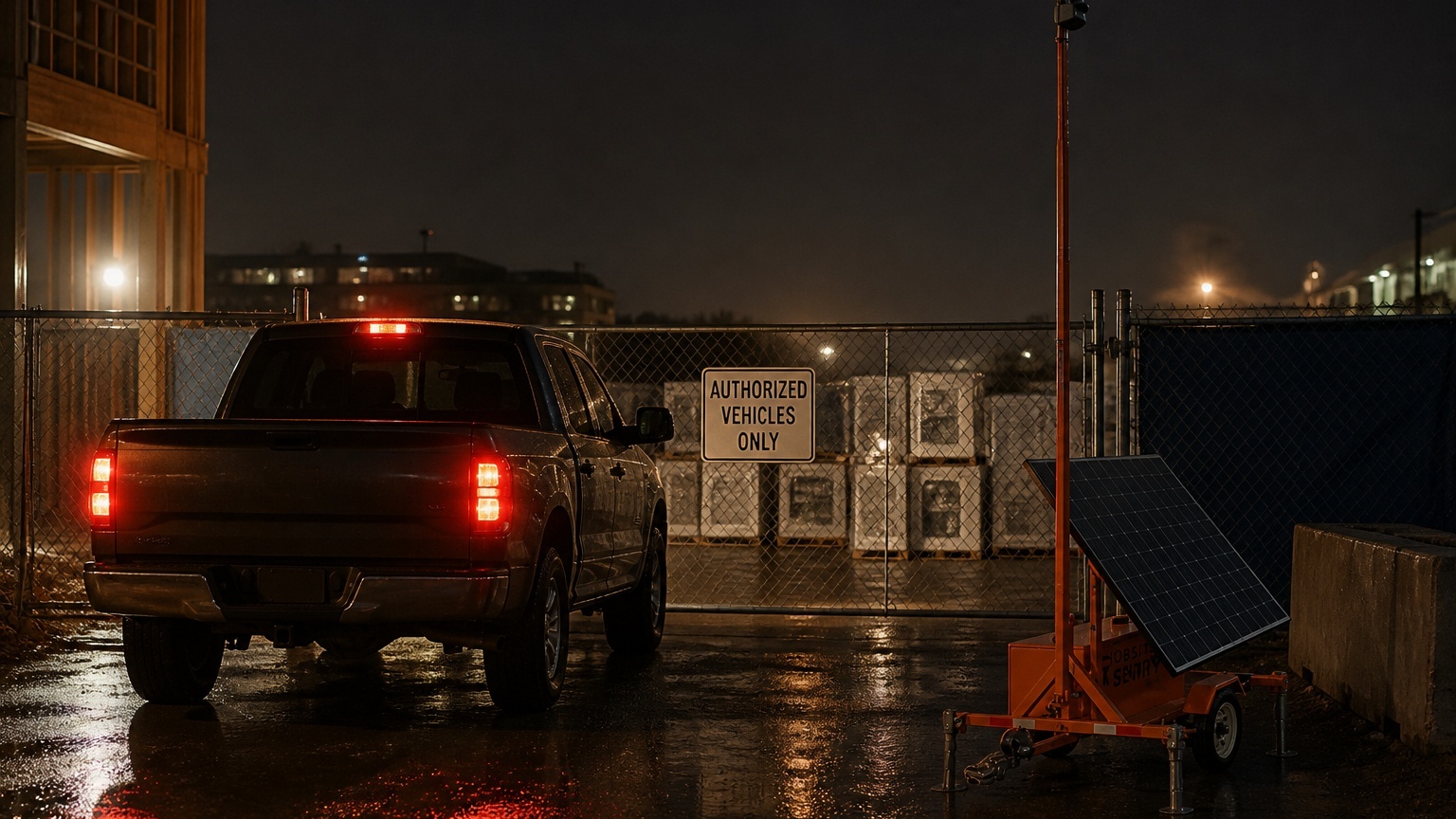
Jobsite Sentry combines AI-powered detection with live trained operators. When a vehicle enters a monitored zone after hours or moves into a restricted area, the system can generate an alert. A live operator can then review the activity, determine whether it appears authorized, issue an audio warning through two-way audio, contact designated site personnel, and escalate to law enforcement when appropriate.
Audio warnings can interrupt activity before loss occurs
Unauthorized drivers often count on a quiet site. A live audio warning changes that. When an operator announces that the site is under live monitoring and that the vehicle must leave, the person on site knows the activity has been seen and documented.
This is one reason monitored vehicle detection can be more proactive than passive cameras. The goal is to deter trespassing, theft, dumping, vandalism, and unauthorized access before the site team arrives the next morning to assess damage.
Escalation should follow a clear site protocol
Every site should define what happens when suspicious vehicle activity is detected. That includes who receives calls, what hours are monitored, which vehicles are allowed after hours, which gates are restricted, and when law enforcement should be contacted.
Jobsite Sentry can help create monitoring schedules for nights, weekends, holidays, shutdowns, and high-risk phases. Teams can adjust schedules as work phases change.
AI does not replace judgment
AI detection is valuable because it helps identify activity quickly. Human verification is valuable because jobsites are complex. A vehicle entering at 7:00 p.m. could be a scheduled concrete crew, an emergency maintenance contractor, a superintendent checking storm damage, or an unauthorized driver.
Live monitoring helps reduce unnecessary escalation by reviewing context before action is taken.
Where Multifamily Sites Should Place Vehicle Detection Cameras First
Camera placement should follow the risk and workflow of the site. A camera placed too far from the entrance may capture movement but miss useful details. A camera pointed at the wrong angle may record headlights without showing where the vehicle went.
For multifamily construction, the first priority is usually the path a vehicle must take to enter, unload, access high-value areas, or leave unnoticed.
Safety context: OSHA’s Work Zone Traffic Safety guidance emphasizes clear traffic controls, signs, barriers, and planned vehicle routes where workers and moving equipment share space. Vehicle detection cameras can improve visibility and documentation, but they should support, not replace, the site’s traffic-control and worker-safety procedures.
1. Main vehicle entrance
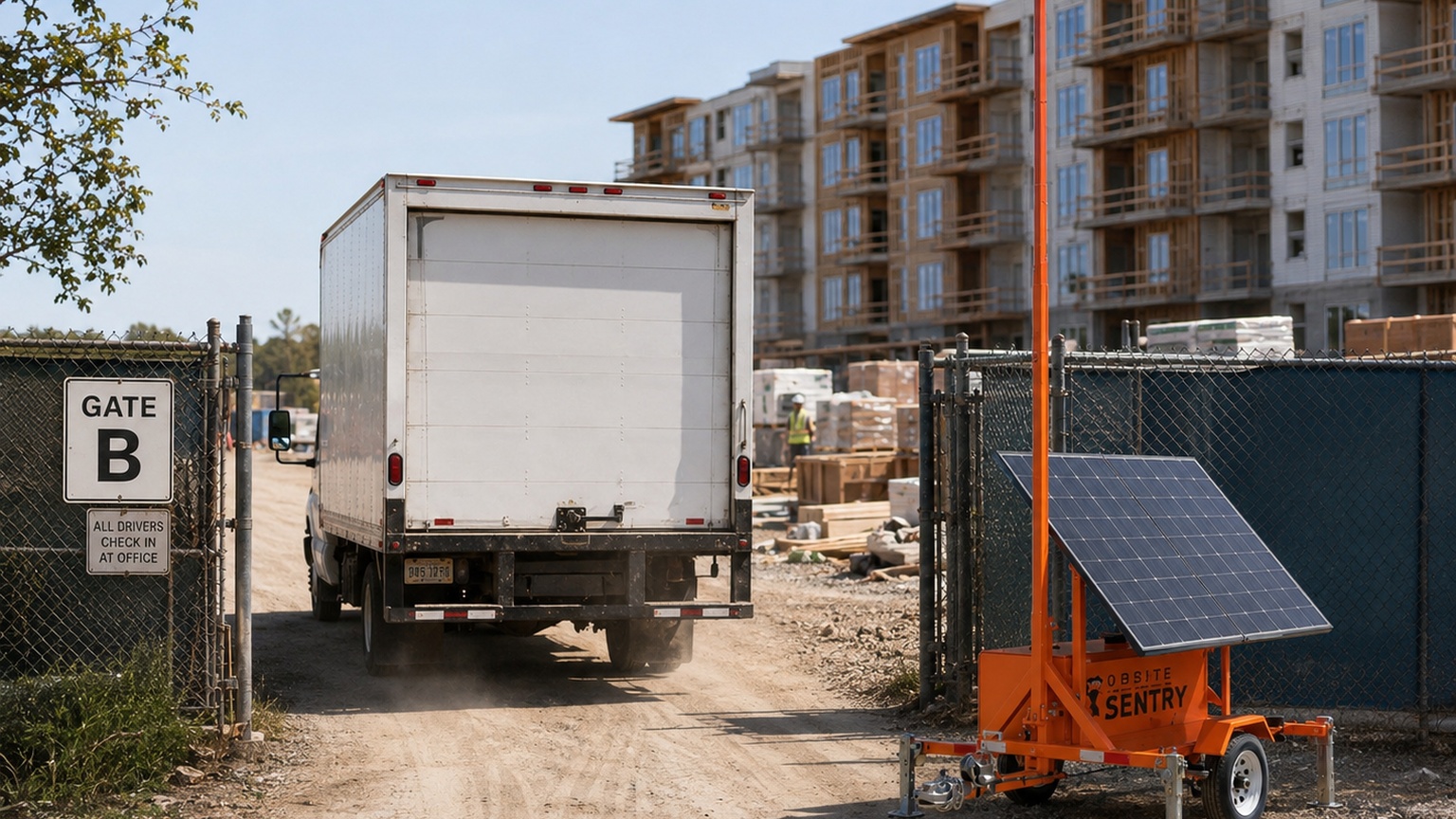
The main vehicle entrance should capture incoming and outgoing traffic, gate position, signage, and the first decision point inside the site. This view helps document routine deliveries and identify vehicles entering outside approved hours.
2. Secondary gates and temporary fence openings
Secondary access points are often used by specific trades or delivery types. They are also easy to overlook. If a fence panel is opened for a temporary route, camera coverage should move with that access point.
3. Material staging and laydown areas
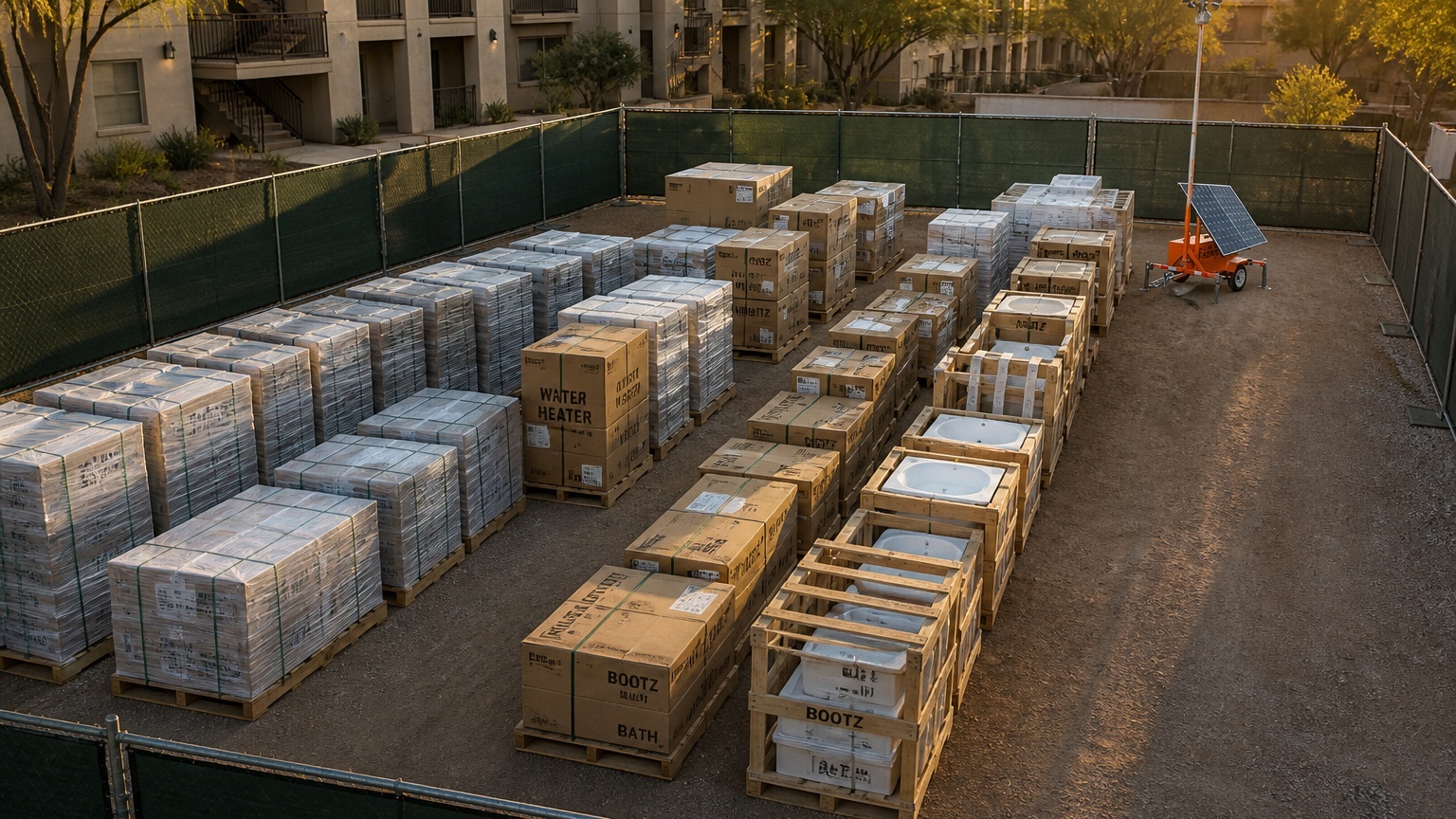
High-value materials create vehicle interest. Cameras should cover areas where appliances, lumber, copper, HVAC equipment, tools, fuel, fixtures, doors, cabinets, and finish materials are staged.
4. Dumpster, haul-off, and illegal dumping risk areas
Vehicles that enter to dump debris or remove materials can create cost, cleanup, and documentation problems. Monitoring dumpster routes and back-of-site drive paths can help identify unauthorized dumping or suspicious haul-off activity.
5. Parking transitions and near-complete buildings
As multifamily projects move closer to turnover, vehicle activity often shifts toward parking areas, leasing routes, finished units, and amenity spaces. Camera placement should be reviewed as the site transitions from heavy construction to punch, inspections, and lease-up preparation.
Power, Connectivity, Deployment, and Relocation
Multifamily construction sites rarely have ideal infrastructure at the exact point where monitoring is needed. The most important gate today may not have permanent power. The delivery route may shift next month. The site may have weak cell coverage, especially on remote or developing corridors.
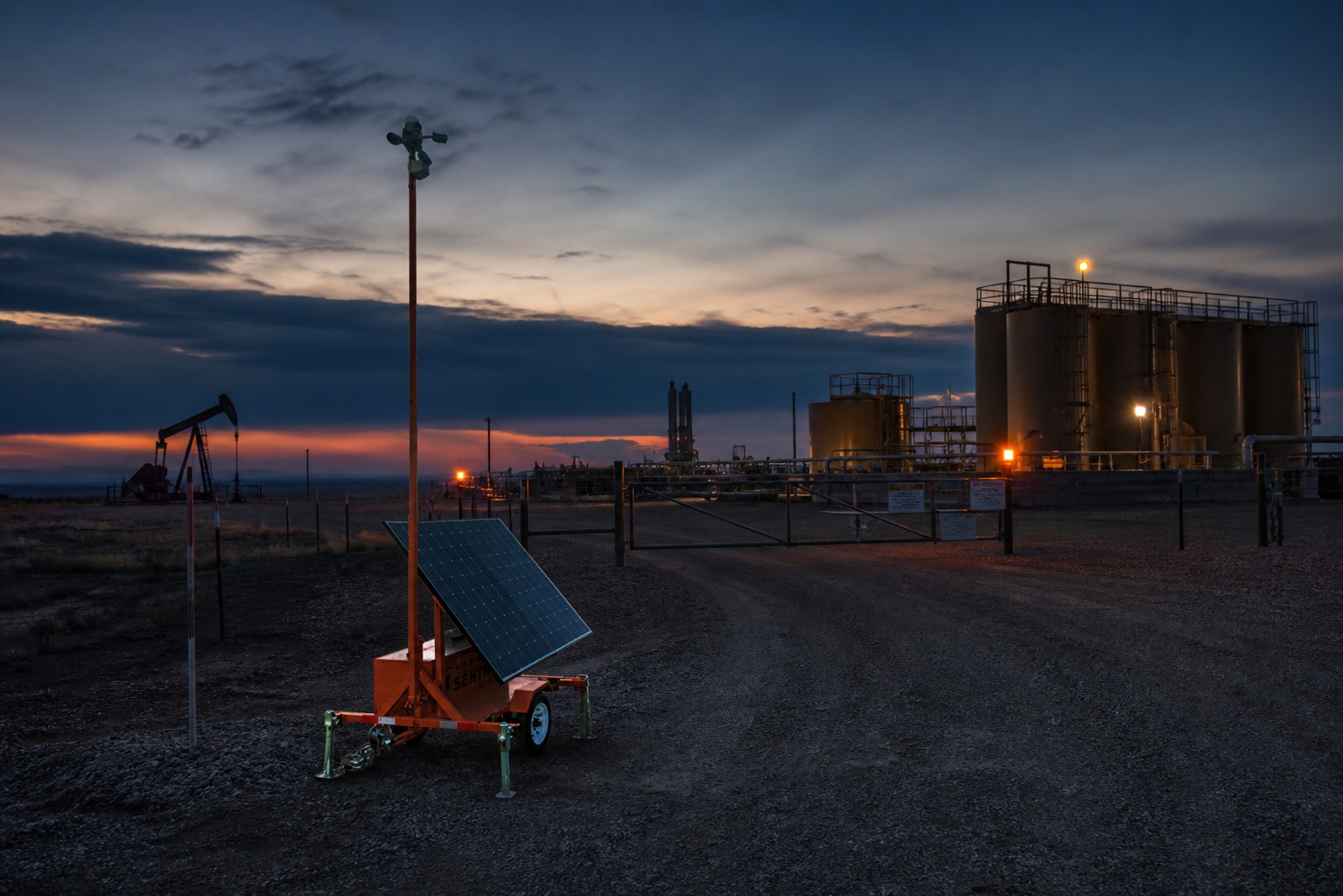
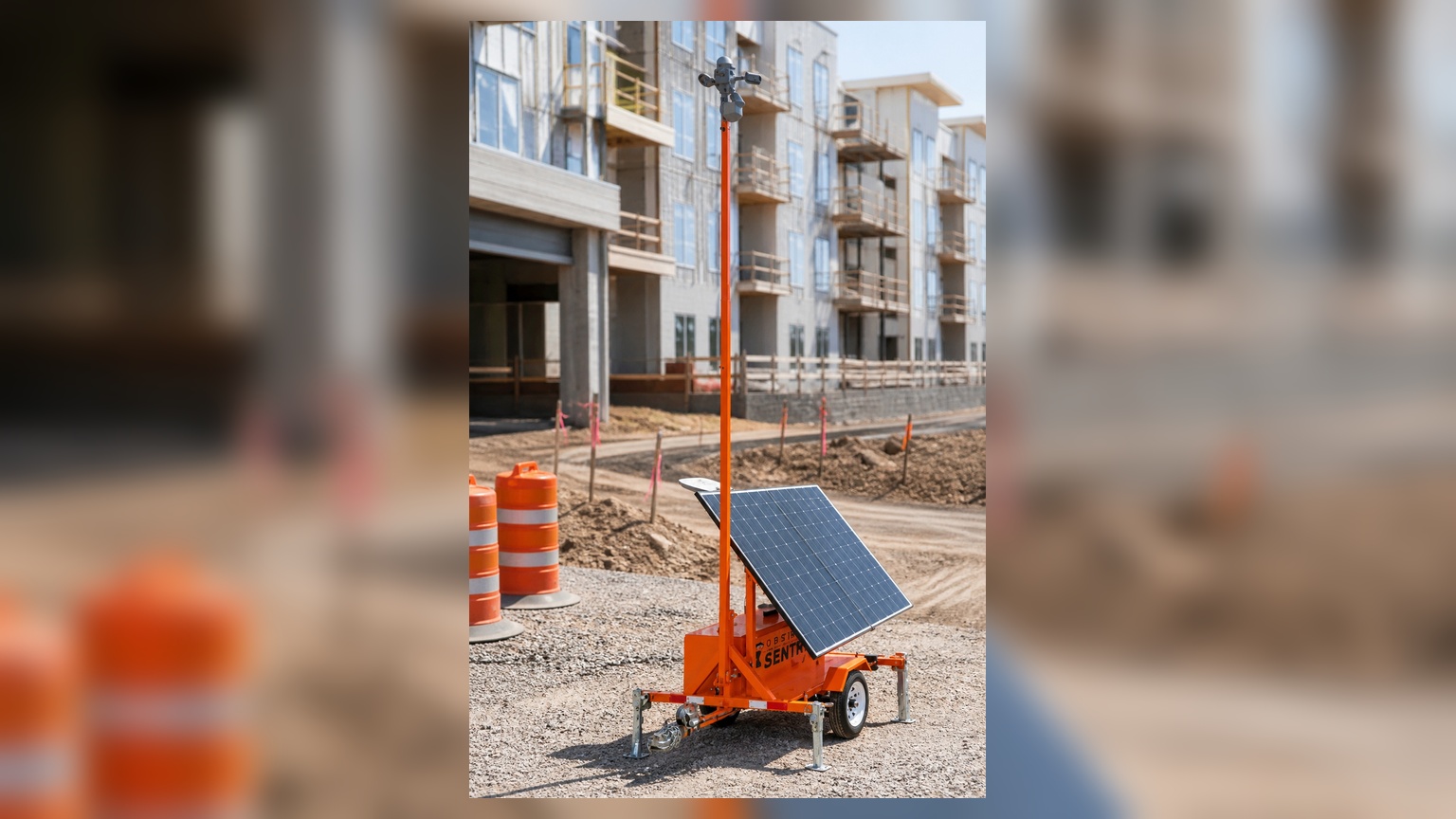
Jobsite Sentry is built for those conditions. Our mobile surveillance trailers and solar-powered camera units can be deployed without wired power, trenching, generators, or permanent internet. Starlink connectivity is available for sites where cell service is unreliable or unavailable.
How fast can a camera unit be deployed?
Jobsite Sentry commonly promotes deployment within 24 to 48 hours depending on location, site access, equipment availability, and site conditions. A quick site survey helps determine where cameras should go, what they need to see, and how monitoring should be scheduled.
Can the unit move as the site changes?
Yes. Temporary construction sites are not static. Camera units and mobile surveillance trailers can be repositioned as entrances move, new buildings open, material staging changes, or risk shifts from one phase to another.
Can managers view footage from a phone?
Yes. Jobsite Sentry provides mobile app access for live video, recorded playback, PTZ controls, two-way audio, multi-camera views, video export, and remote site management. That gives superintendents, project managers, owners, and security contacts better visibility without requiring them to be physically present.
What does remote video monitoring cost?
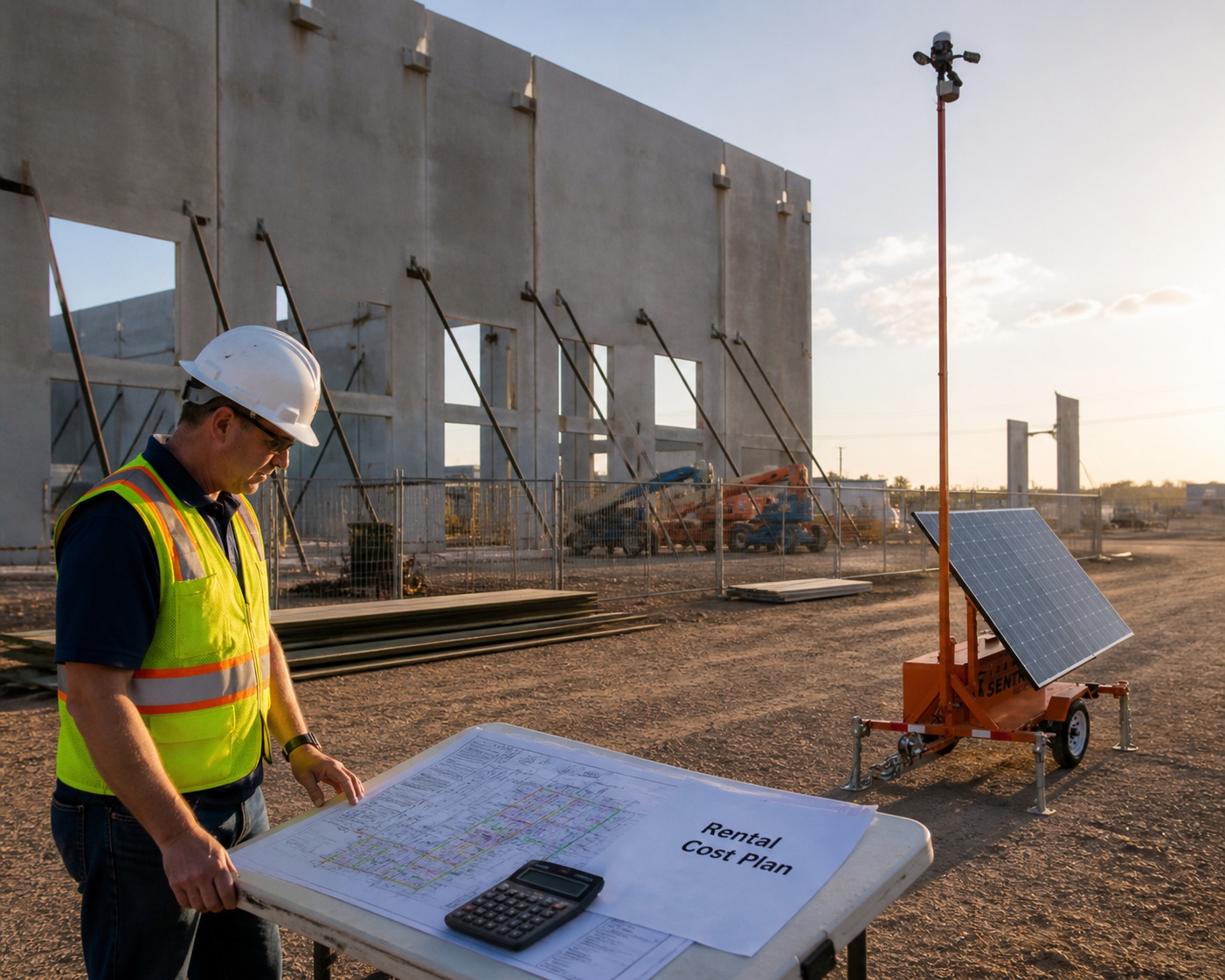
Pricing depends on the number of units, camera configuration, monitoring schedule, connectivity needs, site location, deployment requirements, and service scope. Jobsite Sentry advertises live video monitoring as low as $1.99 per hour. Teams should request a site-specific quote to confirm monthly costs, setup considerations, data needs, relocation requirements, and contract terms.
Vehicle Detection Cameras vs. Guards vs. Passive Cameras
On-site guards, passive cameras, and live monitored camera systems all have a place. The right choice depends on the site’s risk, budget, hours, layout, and operational needs.
A guard can physically check credentials, open gates, and interact with drivers. But guard coverage can be expensive, difficult to scale across a large site, and limited by what one person can see at a time.
Passive cameras record activity, but they usually do not intervene. If an unauthorized vehicle enters at 2:00 a.m., the team may not know until morning.
Live monitored construction site vehicle detection cameras fill the gap between visibility and response. They can watch multiple zones, use AI to identify vehicle activity, allow operators to verify suspicious events, issue audio warnings, and create video documentation. For many multifamily projects, that makes monitored cameras a practical alternative or supplement to guard coverage.
Use the right mix for each phase
Early sitework may need wide coverage of entrances, equipment, and fuel. Framing and MEP phases may need protection for materials and high-traffic deliveries. Finish phases may need tighter coverage around appliances, fixtures, access points, and near-complete buildings.
A flexible camera plan allows the security strategy to change with the project instead of staying fixed around yesterday’s risk.
Implementation Checklist for Multifamily Vehicle Detection
Before installing construction site vehicle detection cameras, review the site from both a security and operations perspective. The goal is to capture the vehicle activity that matters, not simply add cameras wherever space is available.
Start by mapping entrances, delivery routes, after-hours access points, high-value material zones, and areas where vehicle disputes have happened before. Then define monitoring hours, authorized vehicle rules, escalation contacts, clip export procedures, and relocation triggers.
A strong deployment should answer these questions: Which gates are active? Which deliveries happen before or after normal hours? Which vehicles are allowed overnight? Who receives alerts? When should operators issue an audio warning? When should law enforcement be contacted? How will clips be stored, shared, and used in documentation?
Keep the plan current
The biggest mistake is treating camera placement as a one-time decision. Multifamily sites change quickly. Review camera coverage at major milestones, including new building starts, utility tie-ins, framing completion, appliance delivery, elevator operation, parking area turnover, leasing office preparation, and phased occupancy planning.
People Also Ask
Q: How do construction site vehicle detection cameras work?
A: Construction site vehicle detection cameras use video analytics to identify vehicle activity in defined zones such as entrances, delivery lanes, staging areas, or restricted drive paths. When paired with live monitoring, alerts can be reviewed by trained operators who verify the activity and take the appropriate next step.
Q: Can construction cameras detect unauthorized vehicles after hours?
A: Yes. Cameras can be configured to monitor specific zones during nights, weekends, holidays, and shutdown periods. If a vehicle enters a restricted zone after hours, AI detection can trigger an alert for live operator review.
Q: Do mobile surveillance trailers need power or internet?
A: Jobsite Sentry mobile surveillance trailers and solar-powered camera units do not require wired power, generators, trenching, or permanent infrastructure. Starlink connectivity can support remote sites where cell service or wired internet is limited.
Q: Can vehicle detection footage help with delivery disputes?
A: Yes. Timestamped footage can help confirm whether a truck arrived, which entrance it used, where it unloaded, how long it stayed, and when it left. Clips can be exported for vendor conversations, owner questions, police reports, insurance claims, or internal documentation.
Q: Where should cameras be placed on a multifamily construction site?
A: Start with the main vehicle entrance, secondary gates, temporary fence openings, delivery lanes, material staging areas, dumpster routes, and near-complete buildings. Placement should be reviewed as the site layout and risk profile change.
Download the Multifamily Vehicle Detection Camera Checklist
Use this checklist to review entrances, delivery lanes, camera placement, monitoring schedules, authorized vehicle rules, and evidence workflows before deployment.
Frequently Asked Questions
Q: How fast can Jobsite Sentry deploy vehicle detection cameras?
A: Jobsite Sentry commonly promotes deployment within 24 to 48 hours depending on location, access, equipment availability, and site conditions. A site survey helps confirm the right unit placement and monitoring setup.
Q: Can monitoring hours be customized?
A: Yes. Monitoring can be scheduled around nights, weekends, holidays, shutdown periods, high-risk delivery windows, or other site-specific needs.
Q: Can live operators issue audio warnings?
A: Yes. When suspicious activity is verified, live operators can issue audio warnings through two-way audio, notify designated contacts, and escalate to law enforcement when appropriate.
Q: Can AI distinguish between real threats and false alarms?
A: AI helps classify activity and reduce unnecessary alerts, but live human verification is important on active jobsites. Jobsite Sentry combines AI detection with trained operators who review context before taking action.
Q: Are there long-term contracts?
A: Jobsite Sentry promotes transparent pricing and no long-term contract messaging. Final terms, fees, and service scope should be confirmed during a site-specific quote.
Conclusion
Vehicle activity is one of the most important signals on a multifamily construction site. It tells you who is entering, when deliveries happen, where materials move, and whether someone is on site when they should not be.
Construction site vehicle detection cameras help turn that activity into usable information. With the right camera placement, AI detection, live monitoring, mobile access, and exportable video clips, multifamily teams can verify deliveries, reduce access confusion, deter unauthorized vehicles, and document events with confidence.
Jobsite Sentry helps construction teams deploy flexible, solar-powered, live monitored camera systems that move with the jobsite and work where power or internet may not be ready. If your entrances, delivery lanes, or after-hours access points need stronger oversight, our team can help you build a practical plan.
Schedule a Jobsite Sentry Site Security Assessment
Need better visibility at your multifamily construction entrances? Jobsite Sentry can review your site layout, delivery routes, after-hours risks, power and connectivity needs, and monitoring schedule. Request a free consultation and site survey to build a vehicle detection camera plan for your project.
Related Jobsite Sentry Resources
- Mobile surveillance trailers
- Remote video monitoring for construction
- Solar-powered security cameras without power or internet
- Starlink remote security
- Jobsite Command Center
- Why video evidence matters after a jobsite incident
- Contact Jobsite Sentry
External References
- OSHA Motor Vehicle Safety – Construction
- OSHA Work Zone Traffic Safety Fact Sheet
- OSHA Preventing Backovers
- OSHA Construction Struck-By eTool
These external sources provide general safety context. Site-specific legal, privacy, insurance, access-control, and law-enforcement requirements should be confirmed before publication or implementation.